

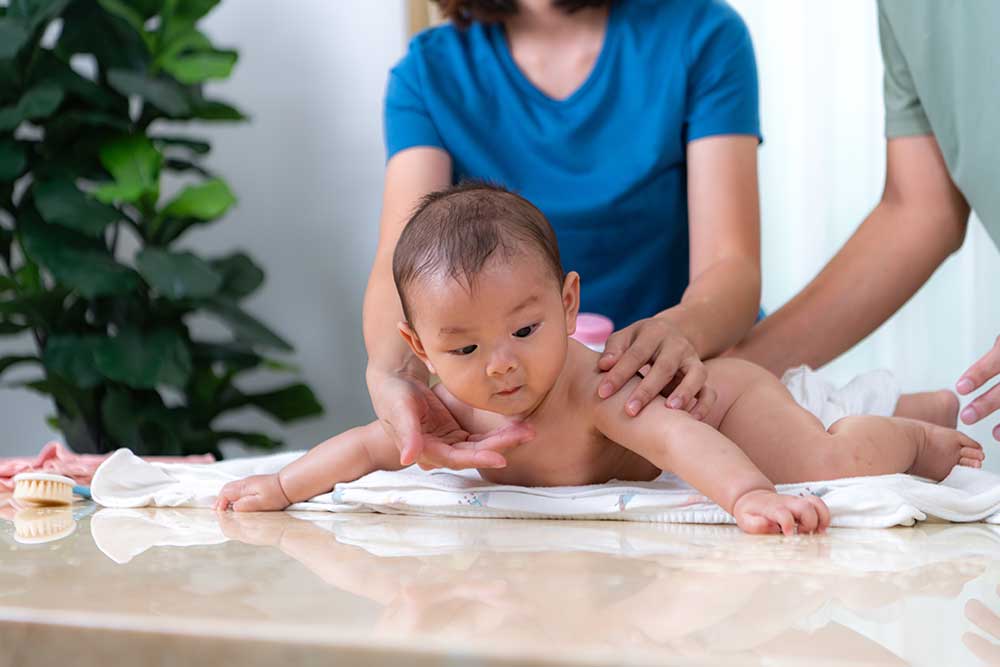
Your baby’s giggles might not mean what you think. While tickling feels like bonding, it can actually confuse your child’s understanding of bodily boundaries and consent. Discover why paediatric experts are rethinking this beloved ritual, and learn which gentle massage techniques genuinely build trust and emotional security instead. The answer might challenge everything you’ve been taught about baby play.
Why Tickling Can Harm Your Baby’s Emotional Development
As a parent, nurturing your baby’s emotional well-being is paramount. Have you ever thought about how touch shapes your child’s perception of safety?
While tickling may seem playful, it can confuse your little one, as they can’t discern if the sensation is an expression of love or a threat. This confusion might create long-term uncertainty about personal limits. Additionally, younger infants may lack sensory awareness when it comes to the experience of tickling.
When you prioritise respecting your baby’s cues, you cultivate trust and emotional security. Gentle massage techniques can enhance secure attachment and deepen your connection with your baby. 💖
Consider these guiding truths:
- Young infants lack the ability to comprehend intentions behind tickling.
- Laughter during tickling can indicate stress, not joy.
- Creating a safe environment requires honouring your baby’s comfort.
Ultimately, nurturing through gentle touch instead of tickling builds a foundation of love and respect.
The Physical Risks of Excessive Tickling
Tickling can trigger involuntary responses, like cataplexy or vomiting, leaving your baby feeling scared and confused. Their delicate skin might suffer irritation, not to mention potential tissue damage from forceful contact. Remember, your touch should be a source of love and safety, not fear. As we nurture our babies, let’s be mindful. Is our intention to serve their joy or create discomfort? Excessive tickling can lead to overwhelming the nervous system, resulting in distress rather than delight. Instead, consider practising nurturing touch through techniques that promote relaxation and strengthen the parent-child bond. Let our gentle touch communicate comfort, not chaos.
What Your Baby’s Giggles Actually Mean?
When you hear your baby’s laughter, it’s as if the universe opens up, revealing a glimpse of pure joy. Each giggle reflects emotional awareness, signalling your little one’s response to the world around them.
Have you noticed how your laughter encourages connection? That joy isn’t merely spontaneous; it’s a communication of delight. Your baby learns to share and bond through laughter, experiencing excitement and fun. The more playful moments you create, the deeper their emotional comprehension grows, as laughter emerges around 4 to 5 months of age, marking a significant milestone in their development. Through nurturing touch and responsive interaction, you further deepen the emotional bond that laughter naturally creates.
- Laughter shows trust and safety.
- It enhances emotional connections.
As you welcome their giggles, remember: these moments nurture not just joy but a loving bond. Isn’t that truly what parenting is about?
Building Trust: Importance of Consent in Touching Babies
Remember, touch isn’t just a physical connection; it’s an emotional language. By prioritising consent in interactions, you build trust and cultivate secure attachment. Each gentle touch, when given with permission, communicates respect and appreciation for your baby’s feelings. When you ask for permission and respond to cues, you invite your baby to engage in a beautiful dance of connection. Research indicates that sensitivity to pleasant touch may foster bonding between infants and caregivers, further enhancing the emotional language of touch. This foundational approach aligns with baby-led learning, ensuring that your infant’s natural development pace is honoured throughout your caregiving journey.
| Action | Emotion Cultivated | Relationship Strengthened |
|---|---|---|
| Ask for Permission | Safety | Trust |
| Observe Baby’s Cues | Comprehension | Attachment |
| Respond with Care | Love | Bond |
Every moment of consent-driven touch lays the groundwork for emotional well-being. Can you feel the deep love in nurturing this relationship?
Discover Gentle Massage Techniques for Bonding
While bonding with your baby is a precious experience, gentle massage techniques can elevate this connection in beautiful ways. Through nurturing touch, you cultivate love and trust, allowing your baby to thrive. Baby massage facilitates bonding and attachment through touch and eye contact, making each moment spent during this process even more meaningful. Certified instructors can guide you through proper techniques to ensure safety and maximise the benefits for your infant.
Consider these techniques:
- Stomach Massage: Gently stroke from ribs to tummy, creating warmth and comfort.
- Chest and Arms: Use a delicate criss-cross motion, inviting closeness as you connect.
- Legs, Back, and Feet: Mimic the gentle strokes, enveloping your baby in a cocoon of calm.
- Relaxation Enhancements: Spend a minute on each area, guiding your baby’s breath toward serenity.
These practices—rooted in love—ignite joy and strengthen the parent-infant bond, with research showing benefits including relief from colic and deeper sleep.