
Your baby communicates constantly—but most parents miss 70% of what they’re saying. While you’re focused on feeding schedules and sleep routines, your infant’s stretches, gazes, and movements are broadcasting critical information about their emotional state, comfort level, and developmental needs. Misinterpreting these signals doesn’t just create unnecessary frustration; it can delay your ability to respond to what they actually need. This guide reveals the specific body language patterns that separate attuned caregivers from those operating on autopilot, transforming ordinary interactions into moments that genuinely shape your child’s confidence and security.
Understanding Baby Cues: The Importance of Nonverbal Communication
As you hold your little one close, have you ever wondered how they communicate their needs without uttering a single word?
Infants, filled with pure potential, express themselves through nonverbal cues, connecting with you in deep ways. Grasping these signals reveals their thoughts, fears, and desires. Research shows that by around 9 months, infants begin to exhibit give-me gestures, which are crucial for expressing requests. Learning to read and respond to these subtle cues builds trust and respect between you and your baby.
👉 Observe their body language and facial expressions—these are their first words, saying, “I need comfort” or “I’m excited!”
Common Hunger Cues: When Your Baby Is Hungry
In relation to comprehending your baby’s needs, recognising hunger cues is essential. When your little one’s hands move to their mouth or they start sucking on fingers, they’re signalling that it’s time to eat. Have you seen them rooting, turning their head side-to-side? That’s a clear invitation for nourishment.
As you observe their body language, watch for the active cues: a clenched fist, an alert gaze, or movements toward feeding. These signs show their enthusiasm. If you notice fast breathing from your baby, it’s also a critical early indicator that they may be hungry.
If they become fussy or cry, it’s their way of expressing distress. Remember, each gesture is a tender reminder of their trust in you to meet their needs. Understanding these cues through nurturing touch and responsive caregiving strengthens the connection you share with your infant.
Cherish these moments, for they deepen your bond and nurture your connection.
How to Spot Tiredness Signals: Understanding Baby Fatigue?
While your baby’s world can seem lively and full of joy, recognising tiredness signals is essential for their well-being and your peace of mind.
An overtired baby can lead to both frustration and emotional turmoil. Are you watching for those early clues? Pulling at ears, yawning, or fluttering eyelids may mean it’s time for rest. Ignoring these signs can result in fussing, crying, or even difficulty latching during feeds. Overtiredness leads to stress hormones that can further disrupt your baby’s ability to sleep peacefully.
An overtired baby can bring emotional challenges; notice the early signs to ensure restful moments for them and peace for you.
Establishing a peaceful routine offers comfort.
Consider these *tiredness cues*:
- Early Signs: Yawning, closing fists
- Late Signs: Fussing, difficult to calm
- Overtired Indicators: Cranky, random sleep times
Your love and attention make all the difference. Nurture them in stillness; it’s a sacred bond.
Recognising Signs of a Happy Baby: Contentment Cues
Recognising the signs of a happy baby is like revealing the soft whispers of joy that echo in the silence of your home. When your little one squints those crescent-moon eyes, lifts their cheeks, and flashes a genuine grin, it’s pure magic. Aren’t those precious moments a sacred connection?
Look for excited kicking, cooing, and relaxed hand movements—they all signal delight and contentment. These positive physical responses reflect the physiological and emotional benefits that nurturing touch and responsive parenting provide during your baby’s early development.
What about those charming vocalisations? Soft babbles and melodic coos are like little love songs inviting you to engage. Notice how they reach out or play freely; these are signs of security and joy. Frequent smiles during interactions enhance bonding and showcase their happiness.
As parents, nurturing this happiness is our calling—let’s cherish these heartwarming cues as echoes of God’s love in our lives.
Signs of Overstimulation in Babies: What to Watch For
As a caregiver, recognising signs of overstimulation in your little one matters because their well-being depends on a calm environment.
Have you noticed your baby clenching their fists or looking away when the noise level rises?
Physical and behavioural signals like these can guide you in creating a serene space where your baby feels safe and loved. Commonly occurs from 2 weeks to 3-4 months old, overstimulation can manifest in various ways, reminding us to stay attentive to their cues.
Recognising Physical Signs
When the lively expressions of your baby seem to fade, it’s essential to tune into the subtle signs indicating overstimulation. Have you noticed your little one looking away or frowning? Perhaps you’ve seen their eyes widen in fear or their lips tremble with stress. These cues aren’t just fleeting moments; they’re your baby’s way of communicating their discomfort.
Watch for clenching fists, jerky arm movements, or stiffening body posture. 👐 Pay attention to rapid breathing or a fixed gaze as signs of sensory overload. If you notice these signals, it’s crucial to provide peace and quiet, as premature infants are particularly sensitive to overstimulation. Learning to recognise and respond to these signs through nurturing touch helps create a secure attachment between you and your baby.
Just as a flower needs the right environment to bloom, your baby needs calmness to thrive. Respond lovingly, and you’ll nurture a safe space they can trust.
Behavioural Indicators to Note
- If their crying grows louder and persists despite meeting their needs, something’s amiss.
- Observe if they start turning their head away or staring off into space; they’re seeking solace.
- Fist clenching or frantic movements signal stress—they may need a comforting touch.
- You might notice them sucking on their hands more often; this is their self-soothing attempt.
In these moments, remember, “Love is patient.”
Respond with care and create a sacred space for tranquillity.
Your gentle awareness aids their emotional expedition—trust your instincts, and they’ll thrive through your steadfast love. 💖
Importance of Calm Environment
Recognising the need for tranquillity isn’t solely about reducing noise; it’s about nurturing safety and comfort. A calm environment is essential for your baby’s well-being, as overstimulation can trigger distress.
Have you noticed your little one crying loudly, clenching fists, or even appearing limp? These signs signal the need for peace.
To create that soothing space:
- Reduce noise and bright lights.
- Offer familiar, quiet surroundings.
- Limit stimuli to one at a time.
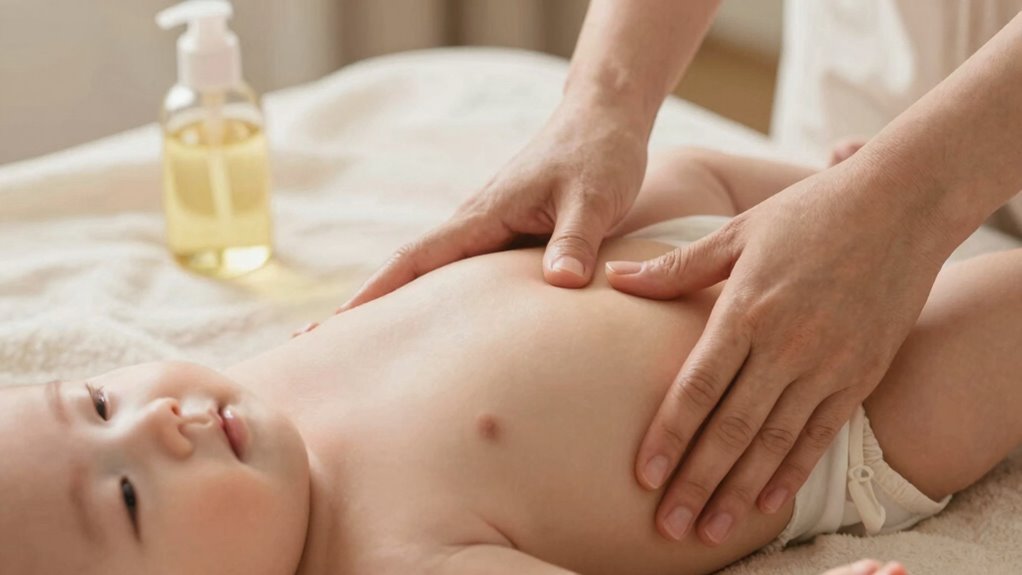
When we provide this refuge, we help shield our babies from stress, supporting their growth. Consider exploring infant massage therapy, which facilitates emotional dialogue between parent and baby while promoting deeper sleep and secure attachment in a nurturing environment.
Baby Cues: Signs Your Baby Is Ready to Play
When your baby’s eyes light up and a bright smile spreads across their face, they’re inviting you to connect.
You might notice their tiny hands reaching out or moving in excited patterns, signalling that they want to play.
These joyful cues are more than just expressions; they’re the language of love, inviting you to engage in the beautiful dance of interaction.✨
Bright Eyes and Smiles
The radiant smile of your baby can light up even the cloudiest of days, signalling their excitement to engage and play.
Bright, alert eyes indicate that your little one is ready for interaction, radiating warmth like a guiding light. When your baby holds eye contact, it’s as if they’re inviting you to share in a joyful journey.
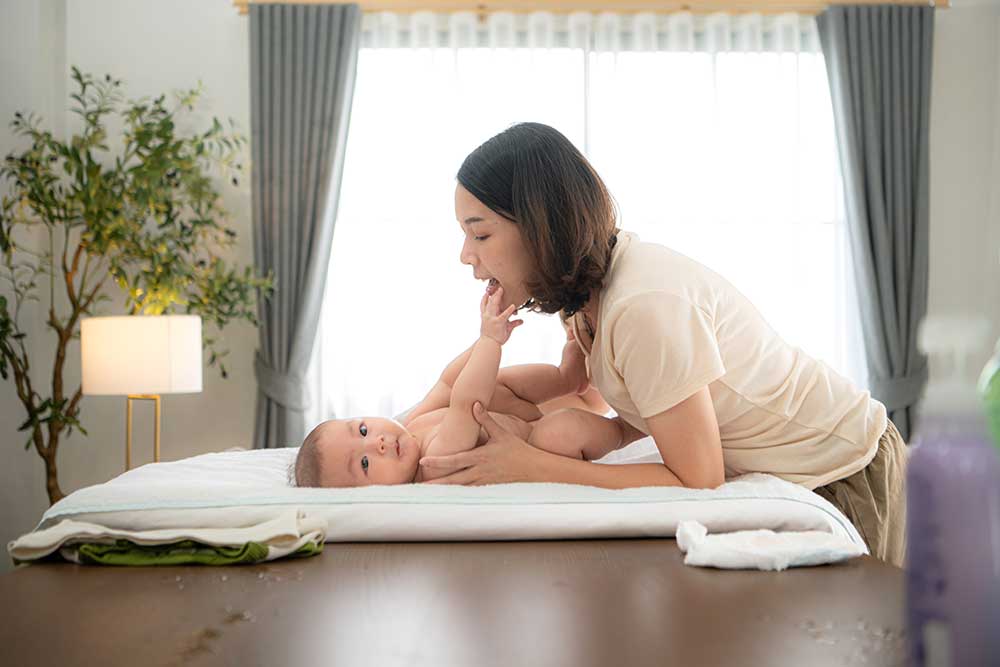
Notice their calm expressions—these are signs of contentment and readiness. The gentle movements of their face reveal they’re enthusiastic for connection. Learning to recognise these cues can be further developed through parent-baby massage classes, which teach you to understand your infant’s body language more deeply.
In those precious moments, consider:
- Engaging fully with their smiles and gazes.
- Responding to their playful cues with love.
- Enjoying this bonding time to foster trust.
Your attentive presence nurtures a bond that lasts a lifetime.
Engaged Hand Movements
Hand movements serve as lively expressions of your baby’s enthusiasm to uncover the world around them. These little gestures reveal readiness to engage and connect. When you notice your baby reaching or grasping, it’s like music to your ears, a silent orchestra of revelation.
Consider these signs of engaged hand movements:
- Rattle-Shaking: Your baby’s rhythmic actions during play build motor skills.
- Reaching: Look for improving hand movements that show their growing coordination.
- Inquiry: Notice how their hands investigate objects, revealing excitement.
- Social Gestures: Clapping and waving show their desire for connection.
Every joyful motion is a beautiful chapter in their expedition, underscoring that touch and interaction lay the groundwork for love and learning.
How much joy do we find in their growth? 💖
Discomfort Signals: Recognising Your Baby’s Unease or Pain
Feeling a baby’s discomfort can be heart-wrenching. It’s essential to recognise their signals. When your baby turns their head away or arches their back, they might be signalling unease.
Watch for facial cues like a drooping mouth or furrowed brows. Are their fists clenched tightly? This is often a sign of distress. You might hear inconsolable crying or soft whimpers in need of comfort.
Pay attention to changes in their breathing or muscle tone—these physiological indicators matter.
Each cry is a plea for comprehension and love. Just as it’s said, “Let the little children come to me” (Mark 10:14).
Your attentiveness to these cues nurtures a deep connection, allowing you to care for and support your child’s emotional and physical well-being. 💖