
Most parents assume more massage means better sleep—but the science tells a different story. While 15 minutes of daily touch can transform your baby’s rest quality, the timing and technique matter far more than frequency. Discover why less can actually be more, and learn the rhythm that finally gets your little one sleeping through the night.
How Baby Massage Improves Sleep
By lowering stress-inducing cortisol, you promote emotional regulation, making bedtime a peaceful ritual.
Regular massage also signals to your baby that it’s time to rest, encouraging a steady sleep pattern. As infants require 14 to 17 hours of sleep daily to support their growth, it’s essential to integrate massage into their bedtime routine. This practice builds secure attachment between you and your baby while creating a calming environment for rest.
Regular massage gently signals your baby that it’s time to unwind, nurturing a calming and steady sleep pattern.
Imagine nurturing your infant’s development through quality sleep, enhancing alertness and joy during wakeful moments.
As the wise say, “Every loving touch is a prayer.” 🙏
Welcome the gift of massage, and uplift your baby’s tranquillity tonight.
The Best Techniques for Massaging Your Baby
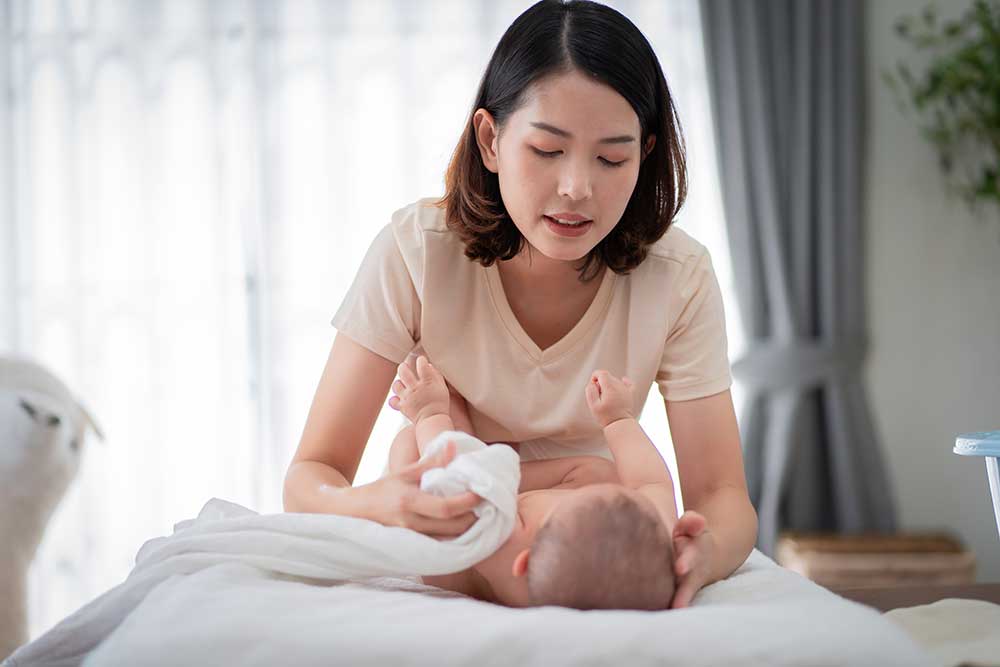
When you massage your baby, you invite a world of connection and comfort. Gentle strokes and circular motions on the tummy create a soothing rhythm that nurtures relaxation, while focusing on their little hands and feet promotes bonding and warmth. Studies show that massage therapy can also enhance weight gain in preterm infants, leading to healthier development. The International Association of Infant Massage offers comprehensive 5-week programmes designed to teach parents effective techniques for supporting their infant’s emotional and physical development. Watching your little one unwind under your loving touch brings profound joy.
Gentle Strokes Technique
As you gently stroke your baby’s body, you can create a serene atmosphere that improves your connection and offers deep comfort.
This practice isn’t just about technique; it’s about love and presence. Tender strokes on your baby’s forehead and cheeks soothe tiny facial muscles, promoting relaxation. Massage not only releases stress relief but also fosters a deeper bond between parent and baby. These nurturing techniques have been refined through ancient Indian traditions combined with modern understanding of infant care.
Think of each movement as a ripple in calm waters, enhancing your bond. When you stroke your baby’s chest in small circles, you nurture circulation and warmth.
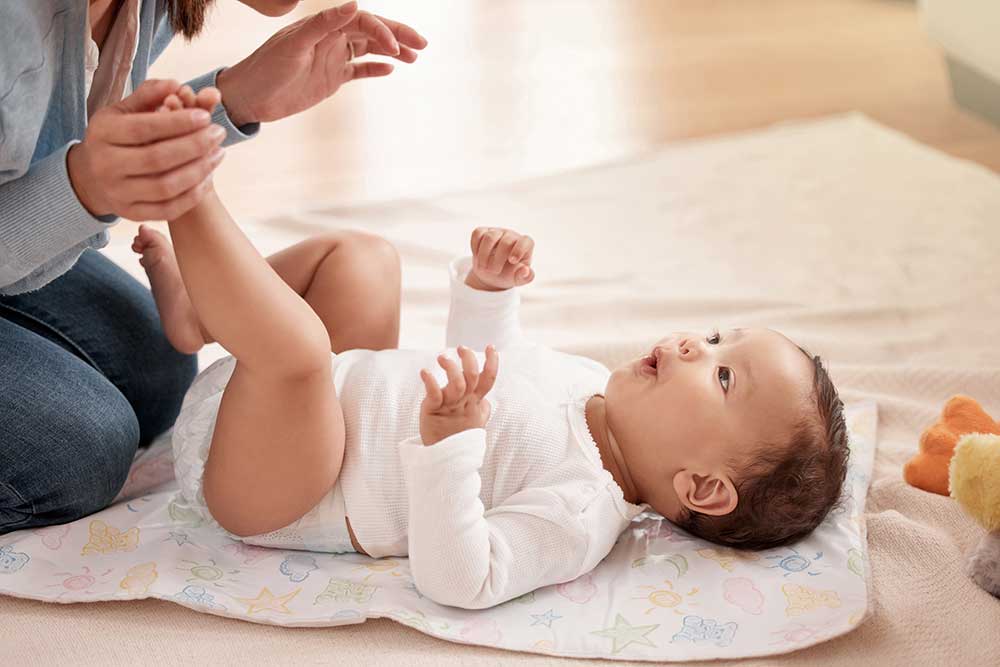
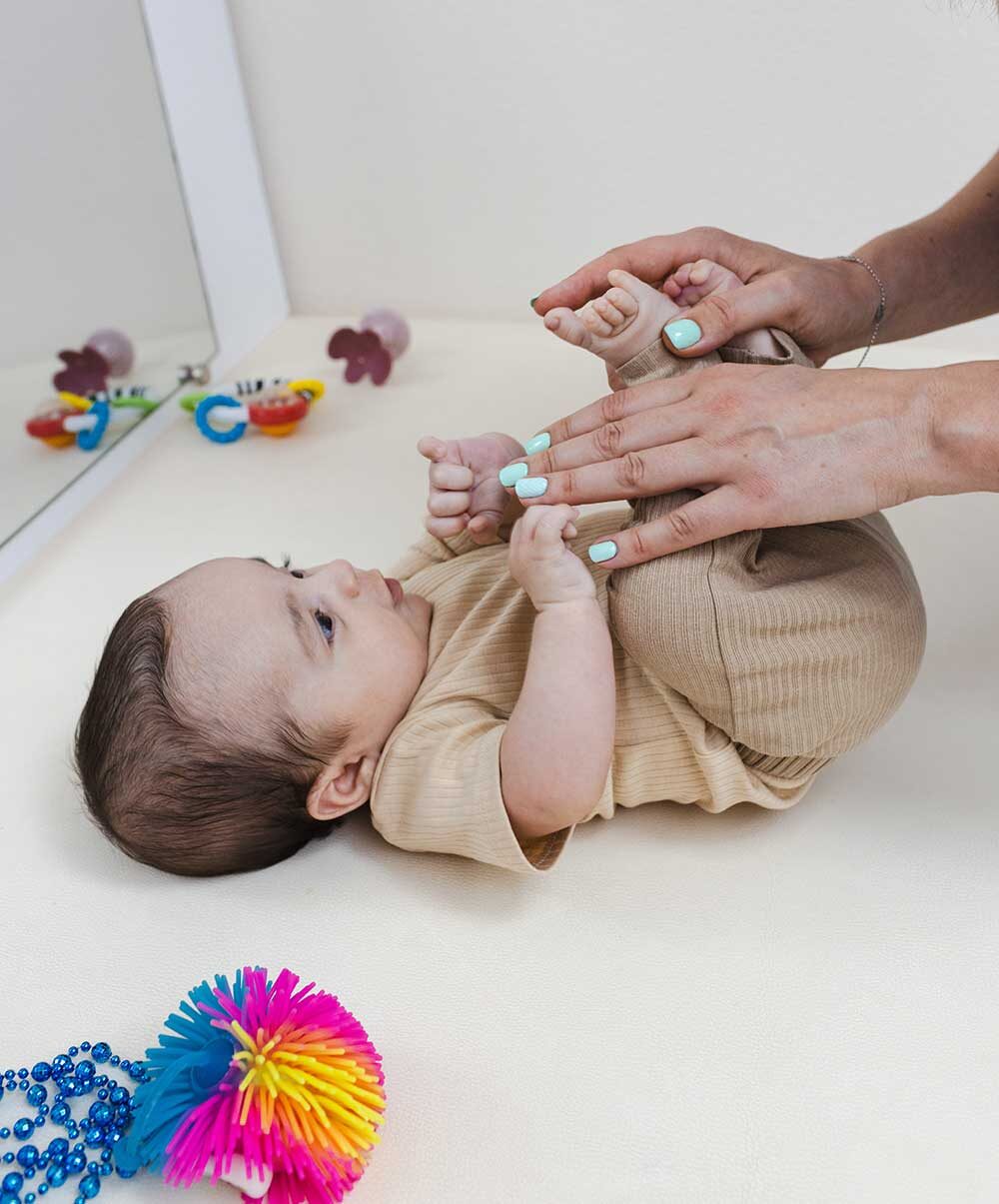
Use gentle movements, like milking effects on arms and legs, to encourage development.
Isn’t it beautiful how touch speaks a language of its own? When you accept these gentle strokes, you’re nurturing not just your child, but the very essence of your relationship.
Circular Motions On Stomach
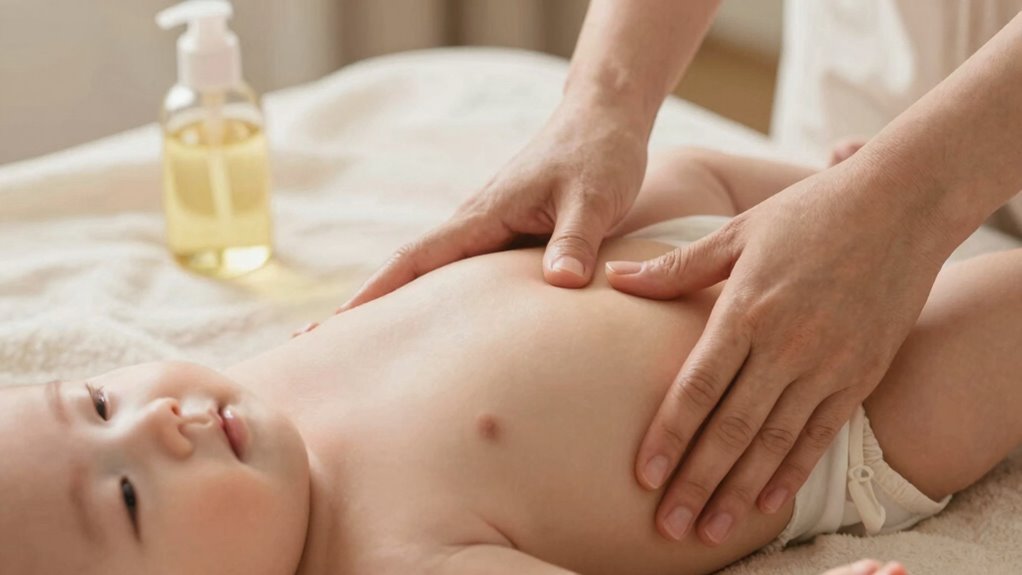
- Start beneath the rib cage, making small, firm circles in the direction of the navel.
- Encourage circulation by keeping your fingers together for consistent pressure.
- If your baby shows discomfort, pause immediately. Gently massaging the abdomen can help to improve digestion and ease any gastric discomfort your baby may be experiencing. This technique is particularly effective for addressing colic and constipation relief during the early months of development.
Ultimately, nurturing your child through these motions is a beautiful way to promote peace and connection, guiding both of you into deeper relaxation.
Foot and Hand Focus
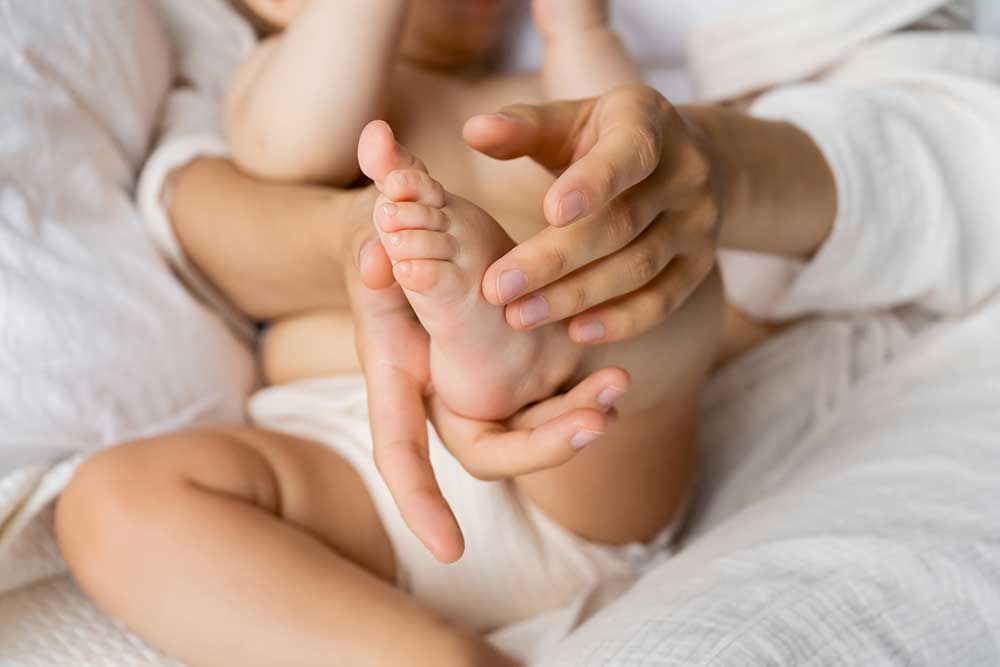
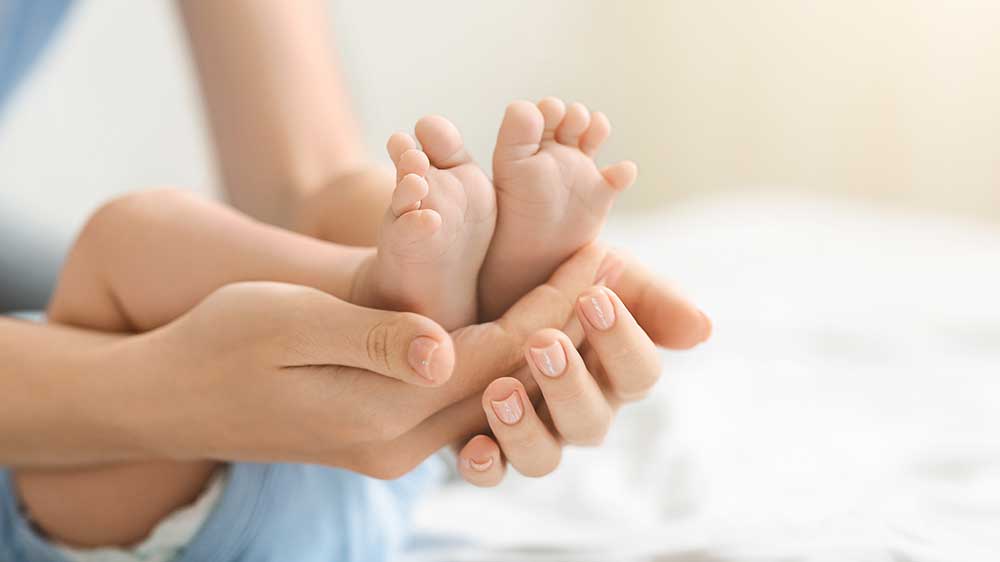
Massaging your baby’s feet and hands can be a precious act of love and connection, nurturing both relaxation and joy. As you gently knead those tiny hands, don’t you feel the bond strengthen? Use your thumbs to roll outward from the palm, promoting calmness and warmth. For the feet, simple strokes from toes to heels can work wonders, easing restlessness. Incorporating soothing lotion allows smooth gliding, creating a serene bedtime ritual. Focus on that rhythmic touch; it’s like a gentle lullaby for their senses. Have you noticed how your baby’s breathing deepens? These loving acts improve sleep quality, creating sacred moments of peace. Quality sleep is essential for overall health and wellness, especially for your little one. Consider learning from a Certified Infant Massage Instructor to ensure you’re using proper techniques that maximise the benefits for your baby. In this path of parenthood, every touch truly counts.
How Often to Massage Your Baby
When you think about how often to massage your baby, consider making it a daily ritual before bedtime. This simple routine can nurture your bond, helping them fall asleep faster and sleep longer. Every parent wants their little one to enjoy peaceful nights wrapped in love. Research shows that infant massage can improve sleep quality and enhance parent-infant bonding, making it a beneficial practice.
Optimal Frequency Guidelines
Ideal frequency guidelines for massaging your baby can truly make a difference in their sleep patterns and overall well-being.
Imagine nurturing your little one with daily, gentle strokes, transforming their nights into serene slumber. Research shows that 15-minute sessions, twice a week, can greatly improve sleep quality.
As you commit to this loving routine, consider these points:
- Daily or near-daily sessions yield the best results.
- Integrate massage within bedtime rituals for lasting effects.
- Consistency matters more than longer, sporadic sessions.
To get started with proper techniques, you can enrol in Parent-Baby Massage Classes offered by certified instructors in flexible formats.
Isn’t it beautiful to witness the calming effect of your touch?
Your dedication can lead not just to better sleep, but to deeper bonds. Cherish each moment, and let your love shine through your hands.
Age-Specific Recommendations
As you commence on the beautiful voyage of nurturing your baby, comprehending how often to massage them at different stages can truly enhance the bond you share.
For newborns, even gentle strokes of 5-10 minutes can encourage connection once they’re stable. As your little one grows to 6 months, aim for daily sessions of 15-20 minutes, preferably after naps or feedings, nurturing both relaxation and secure attachment.
When Is the Best Time to Give a Baby Massage?
Have you ever wondered what the perfect moment might be to give your little one a soothing massage? Timing makes all the difference. Here are four ideal moments for that special touch:
- After Naps: Your baby’s Quiet Alert State is perfect for interaction.
- Post-Bath: A warm bath relaxes them, creating a serene backdrop for massage.
- Pre-Bedtime: Integrating massage into the bedtime routine encourages a relaxing atmosphere.
- Avoid Feeding Times: Don’t massage right after meals; wait at least 20 minutes.
Creating a consistent routine not just nurtures your bond but signals to your baby that it’s time to wind down.
As you welcome these moments with love, you’ll promote a deeper connection that encapsulates their very essence. 🌙❤
The Ideal Age to Start Baby Massage
Starting baby massage can be a beautiful way to bond with your little one, and it can begin as early as three weeks old for full-term healthy infants. Imagine nurturing touch deeply connecting you, heart to heart, with your baby during those delicate early days.
| Age to Start | Recommendations | Considerations |
|---|---|---|
| 3 Weeks | Ideal for full-term healthy infants | Wait until umbilical cord stump has dried |
| 2-3 Weeks | Begin a regular massage routine | Consult your paediatrician for guidance |
| 4-6 Weeks | RMTs suggest sessions begin | Baby should be awake but calm |
| 8 Weeks | Blossom & Berry’s ideal recommendation | Engage your baby at their pace |
This loving act not just encourages growth but also nurtures trust. Don’t wait—start today and welcome the joy of connection. 🌼
How to Recognise When Your Baby Needs More Massage?
Every parent knows the expedition to comprehension of their baby’s needs can feel like a dance—each gesture, each sound, a unique expression of their inner world.
Recognising when your baby craves more massage can deeply impact their sleep and well-being.
Understanding your baby’s desire for massage can profoundly enhance their sleep and overall happiness.
Consider these signs:
- Increased Crying: If their cries seem louder or more frequent, it might mean they need relief.
- Upset During Massage: If they show discomfort while massaging, they may require more frequent sessions.
- Frequent Night Wakings: Numerous interruptions indicate the need for extra soothing touch.
- Reduced Cheerfulness: A lack of joyful energy upon waking can signal insufficient relaxation.
Trust your intuition, welcome the adventure, and respond with love. Your touch can weave tranquillity into their world. 🙏💖
Incorporating Massage Into Your Bedtime Routine
As you begin the beautiful voyage of incorporating massage into your bedtime routine, imagine the peaceful connection it nurtures between you and your baby. This sacred time not only improves sleep but also deepens your bond. Plus, it’s simple!
| Massage Technique | Timing | Benefits |
|---|---|---|
| Gentle Leg Strokes | Just before sleep | Aids relaxation |
| Tummy Rubs | After bath | Eases discomfort |
| Face Touches | While swaddling | Encourages trust |
| Foot Massage | After stories | Promotes calmness |
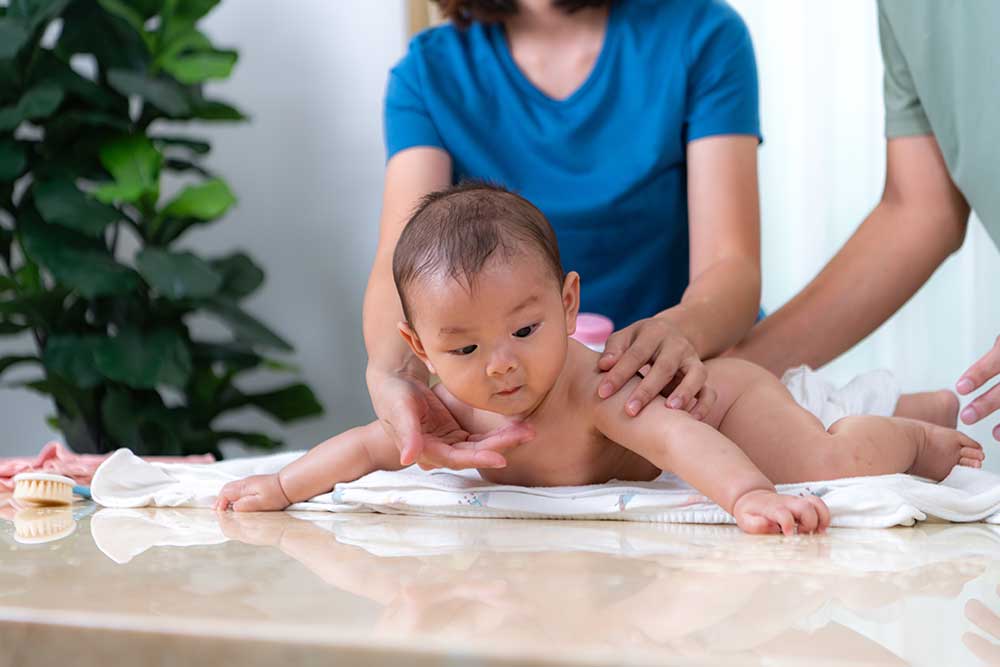
| Back Massage | Pre-sleep lullaby | Reduces night wakings |
With consistent, loving touch, you can change bedtime into a charming ritual. Let your heart guide you, and watch as your baby drifts into serene slumber. 🌙❤