Meta Description:
Your baby’s crying from constipation, but here’s what most parents get wrong: harsh remedies aren’t the answer. A soothing massage technique—backed by gentle pressure and intentional touch—can provide relief within minutes while strengthening your bond. Discover why paediatricians are quietly recommending this simple practice over conventional solutions, and learn the exact hand movements that work.
How to Massage Your Constipated Baby
Regarding helping your little one find relief from constipation, a gentle massage can be a heartfelt way to connect and provide comfort. Imagine yourself tracing soothing circles on your baby’s tummy—it’s not just a technique; it’s a nurturing bond. With baby massage for constipation, you can use gentle, firm pressure in a clockwise direction, focusing on the areas around the navel. 🌼 Consider the I-L-U pattern: softly tracing an “I,” then an “L,” and finishing with an upside-down “U.” Pair these strokes with gentle leg movements, bringing their knees towards their chest. This isn’t just about their comfort; it’s a loving exchange. Remember, each touch can bring peace, encouraging a secure attachment. 💖 Additionally, regular baby massages can help promote healthy bowel movements and prevent future discomfort.
Setting Up a Relaxing Environment for Baby Massage
Creating a nurturing space for baby massage can turn this intimate experience into a truly soothing ritual. To provide effective baby constipation relief massage, make sure the room is warm—comfortable enough for your little one to feel welcome. Soft, dim lighting invites calmness, while gentle sounds promote a tranquil atmosphere. Place your baby on a safe, flat surface, using cushioning like towels to support their comfort. Keep the environment simple, minimising distractions that could overwhelm. Timing is essential; choose moments when your baby feels peaceful and content, avoiding fussiness or hunger. Engaging in this type of touch during massage can help develop a strong bond between you and your baby. Regular infant massage sessions create a secure attachment that fosters trust and respect through your responsive caregiving. Do you feel the weight lift as you create this serene setting? By cultivating it, you invite connection during your infant stomach massage, easing discomfort and establishing a loving bond.
Step-by-Step Guide to Baby Constipation Massage
Once the nurturing space is set, you’re ready to engage in the sacred act of baby constipation massage. This gentle form of baby massage to help poo can change your baby’s discomfort into relief and peace.
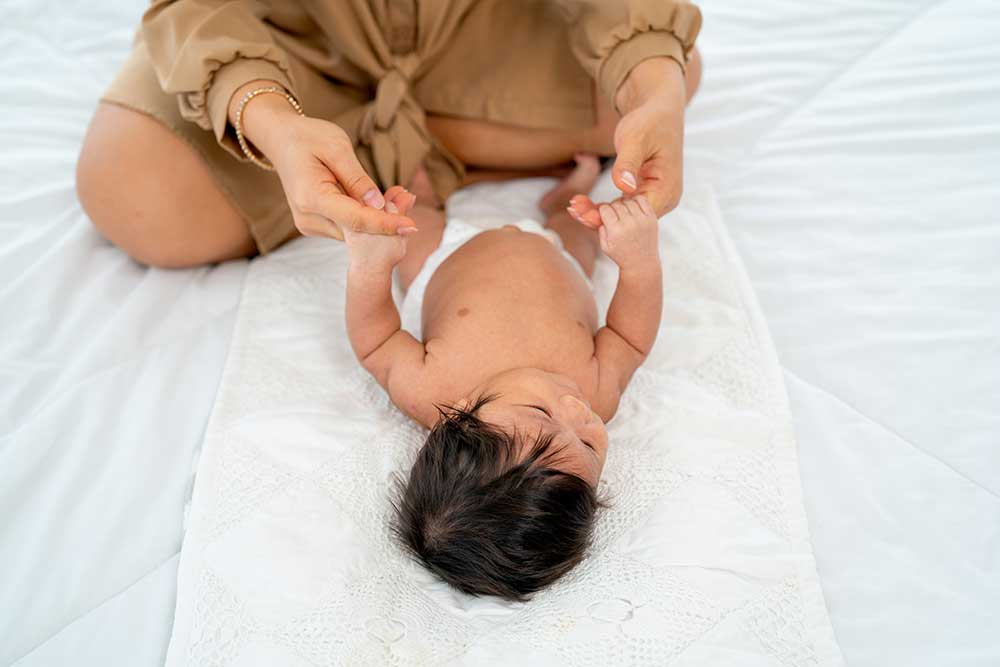
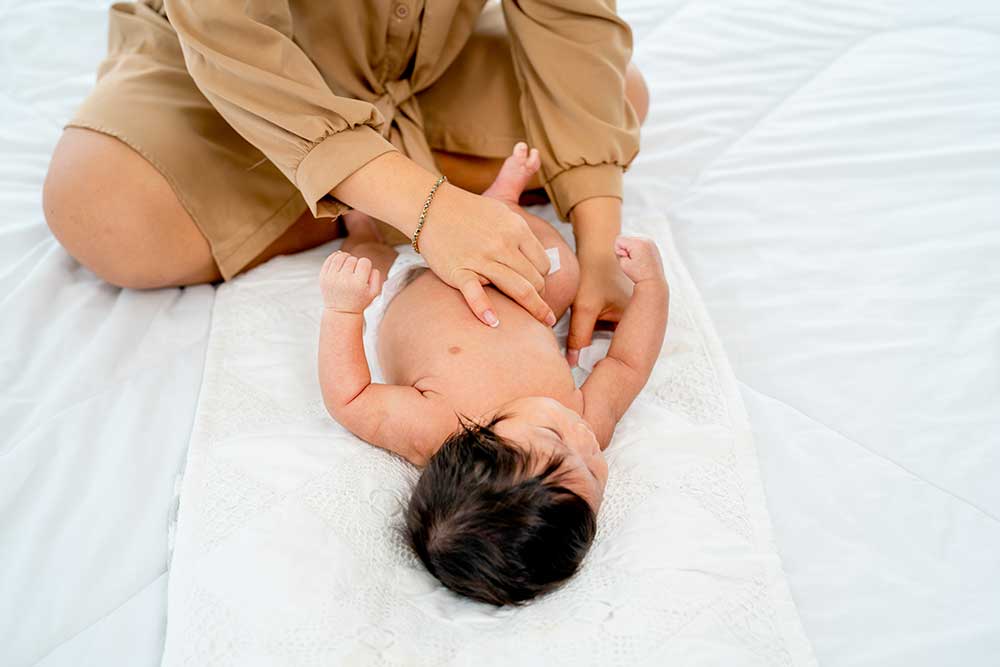
Start by placing your little one on their back. With light pressure, make clockwise circles on their tummy, soothingly guiding their colon.
Explore the “I Love You” sequence, tracing delicate strokes to connect with your infant’s needs. Combine this with gentle leg movements, bending their knees towards their tummy.
Regular infant massage sessions can also support emotional and physical development while providing relief from digestive discomfort, making this practice beneficial for your baby’s overall well-being.
Recognising Signs of Baby Constipation and Aftercare
| Signs of Constipation | Symptoms | Aftercare at Home |
|---|---|---|
| Hard, dry stools | Crying or discomfort during stool | Track stool frequency |
| Fewer bowel movements | Bloated belly | Support normal feeding |
| Blood in stool | Fussiness | Monitor for anal irritation |
| Straining without soft stools | Weak sucking | Use paediatric recommended care |
| Poor weight gain | Lethargy | Seek medical advice promptly |
Recognising these signs helps you know when to perform a baby constipation massage and how to provide effective aftercare at home. By tracking stool patterns and ensuring proper feeding, you can support your baby’s well-being during these challenging times. The nurturing touch techniques used in infant massage can help improve your baby’s regularity in bowel movements and overall comfort. Remember, you’re not alone in this experience.