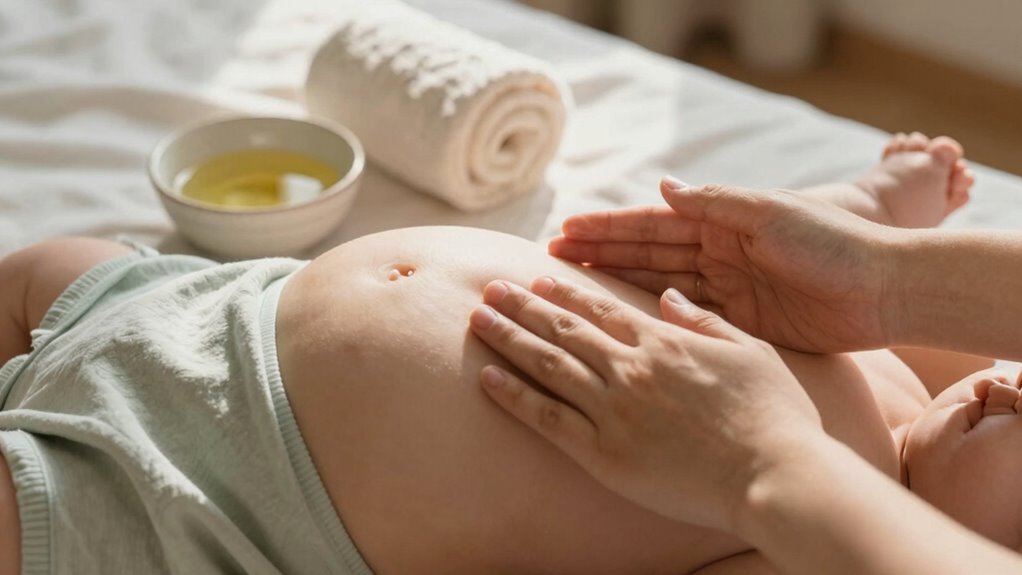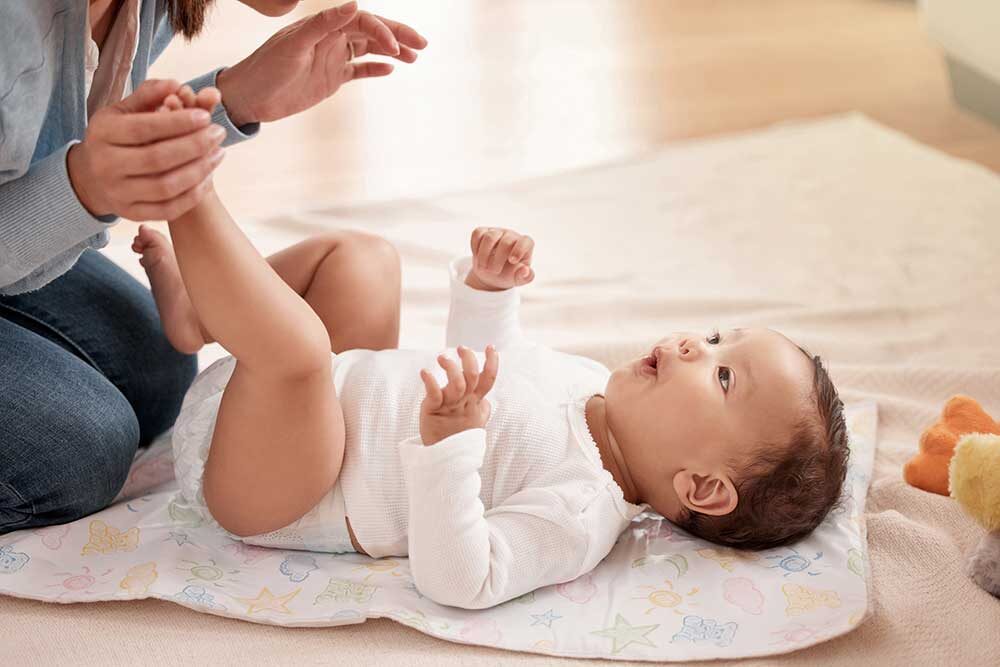

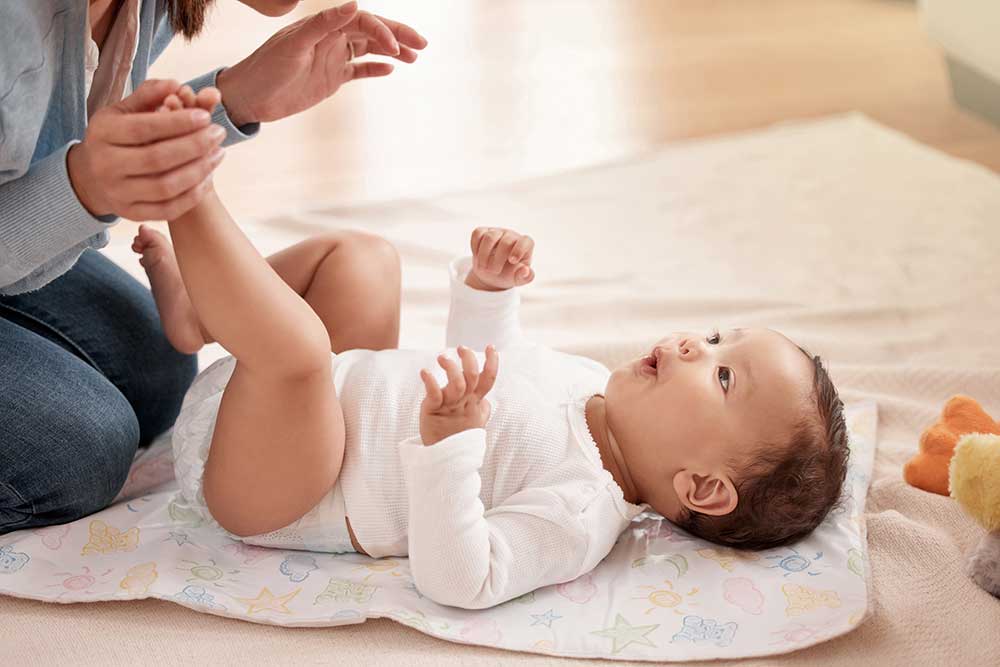
Most parents wait months before touching their baby’s skin intentionally—but research suggests you might be starting too late. Infant massage isn’t just soothing; it rewires your baby’s nervous system and strengthens your bond in ways standard parenting doesn’t touch. Religious traditions have long recognised touch’s spiritual power, yet modern parents hesitate. Discover why starting earlier than you think could transform your relationship with your little one.
The Ideal Timing for Newborn Massages
When you find that perfect moment to massage your newborn, you might just reveal a world of connection and calm.
It’s crucial to choose the right time: wait until your baby is calm but awake, not immediately after feeding. Isn’t it magical how their little bodies respond to your touch? Sessions can last between 10-30 minutes, adjusting to your baby’s mood. Additionally, be aware that security measures can disrupt your attempts if the environment is not calm and peaceful.
Remember to stop if your baby stiffens or cries; it’s their way of communicating. Infant massage promotes emotional and physical development while strengthening the bond between caregiver and child.
Incorporating massage into your daily routine can improve sleep and promote growth. With love and patience, you’ll be nurturing not just their body but their spirit.
Isn’t the bond you create worth it? 🌟 Seize this precious opportunity for growth and connection.
When to Start Massaging Preterm Infants in the NICU?
Starting massage for preterm infants in the NICU requires careful attention to your baby’s medical condition. Begin once your infant demonstrates signs of medical stability and readiness. Gentle massage techniques can promote bonding, encourage growth, and provide comfort to your baby. Incorporating infant massage into your routine can also help improve health and development for your newborn. These nurturing touch practices support circulatory and immune systems, which are particularly important for preterm infants who may need extra developmental support.
Benefits Of Early Massage
In the cherished expedition of nurturing our little ones, there’s a deep power in touch that can change a fragile moment into a memory of strength and love.
Early massage for preterm infants in the NICU not only promotes weight gain but cultivates essential emotional connections. Can you imagine your baby feeling safe and cherished through your hands? Shorter length of stay in the neonatal intensive care unit (NICU) can also be achieved through the regular practice of massage. These techniques are grounded in ancient traditions combined with modern science, drawing from decades of research and practice.
Benefits include:
- Improved weight gain from better digestion and relaxation.
- Reduced stress and pain, shifting their nervous system to calm.
- Enhanced sleep patterns, allowing more drowsy, calm states for peaceful rest.
Each gentle stroke is a step toward a strong bond, while you, as a parent, find confidence and peace in your nurturing role.
Timing For Stable Infants
Nurturing your preterm infant, especially in the NICU, is a significant experience filled with hope and healing. You might wonder when it’s the right time to start massaging your little one. Ideally, wait until your baby reaches 37 weeks corrected age or older. This guarantees stability. Always check with your neonatal team, as their guidance is essential. Start with just a few minutes each day—maybe 5 minutes of gentle touch, gradually increasing as your baby shows readiness. Remember, every infant is unique, and their cues matter. Incorporating massage therapy can be beneficial, as it has been linked to weight gain and improved outcomes for preterm infants. Working with a Certified Infant Massage Instructor ensures that you learn proper techniques to support your baby’s development and well-being.
Techniques For NICU Massage
There’s something deeply special about the moments spent massaging a preterm infant in the NICU; this tender practice can foster connections that words often fail to convey. When you’re ready to start, remember these key techniques:
| Technique | Description |
|---|---|
| Moderate Pressure | Use gentle strokes to stimulate touch awareness. |
| Tactile and Kinesthetic | Combine smooth strokes with soft movements for connection. |
| Skin-to-Skin | Prioritise nurturing touches to comfort before full massage. |
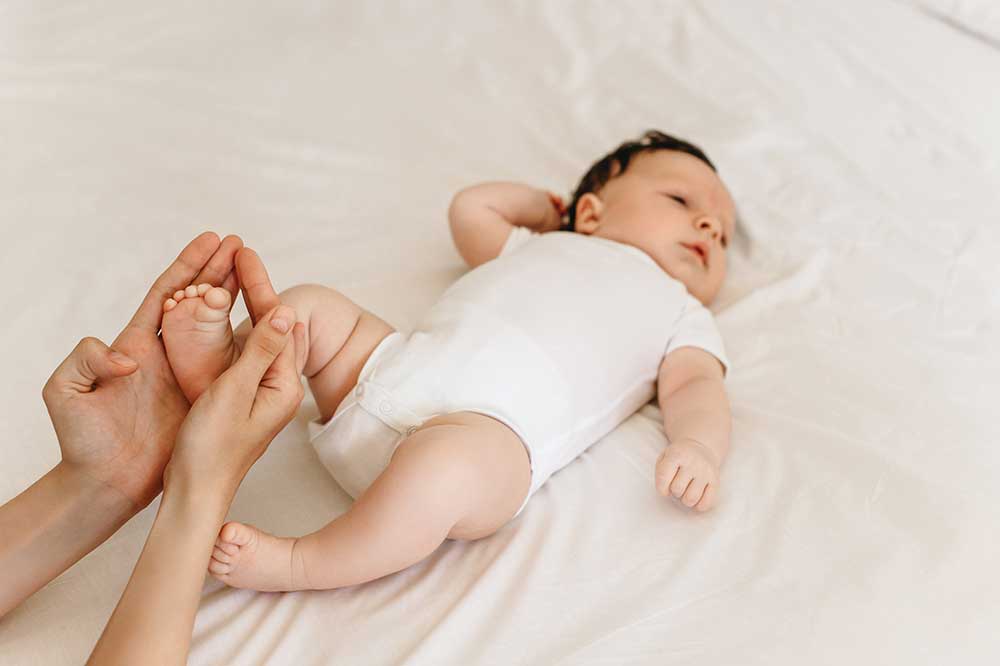
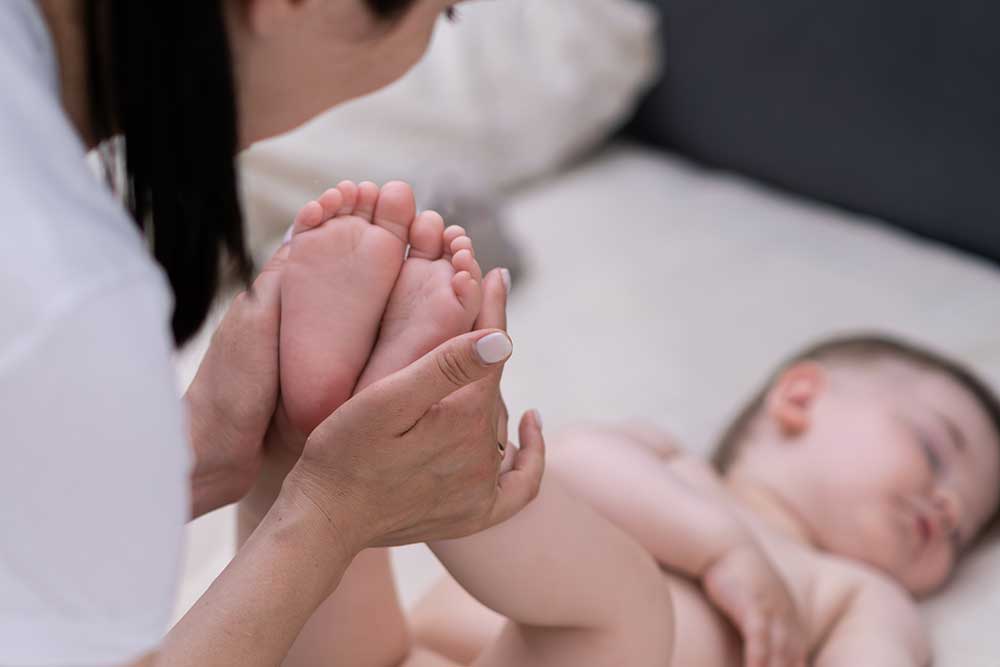
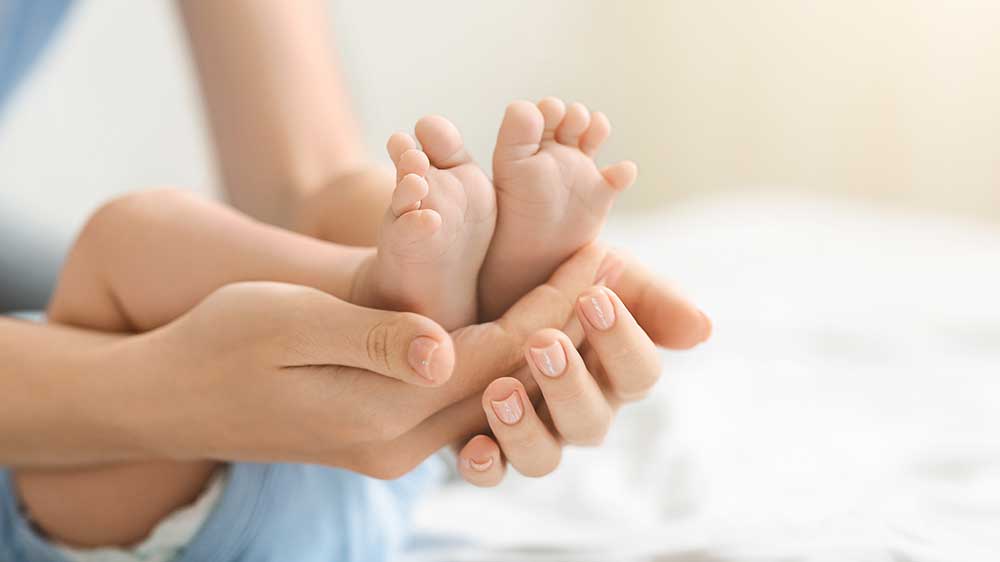
Always begin with the legs and feet, ensuring your baby’s comfort. Your intention, patience, and love change each moment into a healing gift. By nurturing your little one, you not only support their development but also strengthen your bond—could there be a greater joy? The significance of touch in early neurodevelopment highlights how essential this practice is for your baby’s well-being.
When to Start Daily Massages for Full-Term Infants?
How soon can you start daily massages with your little one? You can begin after about 10 to 14 days following their birth, once your baby is medically cleared. This timing helps strengthen your bond and supports their development. Research indicates that early massage can enhance bonding between baby and parent, which is vital during this early stage.
Look for signs that your baby is calm and content, like smiling or being playful, and avoid massaging when they’re fussy or turning away. The five-week structure of a guided course prevents over-stimulation while you learn the proper touch language for your infant.
Gentle strokes, starting with their legs, create an atmosphere of love and connection. Aim for short sessions—3 to 5 minutes at a time—slowly increasing as your baby enjoys it.
Benefits of Infant Massage for Developmental Growth
Physical Growth: Improves weight and height, promoting healthy growth hormones. By embracing infant massage, you’re nurturing more than just a moment; you’re encouraging extraordinary developmental growth.
Each gentle stroke can increase your baby’s weight and length, helping them reach their promising potential. Isn’t that a beautiful gift?
Moreover, physical touch elevates muscular development and fine motor skills, transforming your little one’s capabilities.
Physical touch enhances muscle development and fine motor skills, unlocking your child’s full potential for exploration and play.
Imagine their curiosity blooming as they investigate the world! 🌱
You’ll notice better sleep and reduced stress, both for you and your baby. Isn’t that what every caregiver desires?
Through this nurturing practice, you’re not just giving love; you’re actively contributing to your child’s overall well-being, immeasurably enriching their lives. 💖
The neurobiology of touch directly influences your infant’s brain development and stress response systems during these critical early years.
How Massage Enhances Parental Bonding and Development
Strengthening your attachment through shared moments of peace, infant massage becomes a powerful tool for nurturing your bond. As you gently touch your baby, you’re not just communicating; you’re listening to their cues, cultivating trust and security.
Isn’t it beautiful how your love grows when you practise this intimate connection?
- Enjoy those moments of relaxation, where stress fades away for both of you.
- With consistent massage, your confidence as a caregiver blossoms.
- Imagine the joy of seeing your baby’s curiosity spark during these sessions!
IAIM Singapore offers parent-baby massage classes designed to guide you through proper techniques while building this meaningful connection with your infant. “Children are a gift from the Lord” (Psalm 127:3). By investing time in massage, you enhance not just their development but your relationship, uplifting the fabric of your family life.
Key Safety Tips and Considerations for Infant Massage
Before you start massaging your infant, ensure their stability and comfort.
Choose a time when they’re calm and alert.
Recognise any skin conditions and remain mindful of their needs.
This demonstrates respect for your little one and strengthens your connection during each session.
Ensuring Infant Stability First
While every moment spent with your infant is precious, ensuring their stability and comfort during massage is paramount. You want them to feel secure, right?
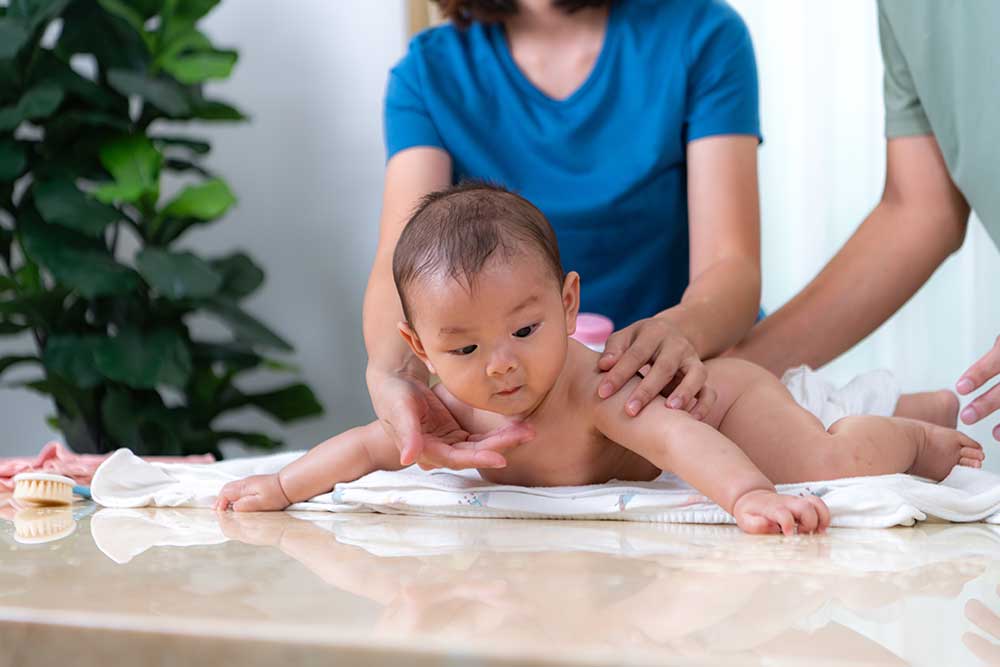
First, prepare a warm and tranquil space, free from distractions. As you lay your baby on a soft surface, keep your hands warm, ensuring your touch is gentle yet confident.
Always check their state; they should be calm and content, not fussing. If they turn away or show stiff limbs, it’s time to stop.
Timing and Session Duration
Choosing the right time to massage your infant can change the experience into a beautiful bonding moment, where you both connect through love and touch.
Ideally, find a time when your baby is calm and alert, avoiding right after feedings or when they’re hungry or irritable. Aim for about 5-10 minutes initially, gradually increasing to 10-15 minutes as your little one becomes more comfortable.
Consider the rhythm of your day: right before bath or bedtime can work wonders. Always listen to your baby’s cues—if they show signs of discomfort, stop the session.
Recognising Skin Conditions
As you welcome the tender act of massaging your infant, it’s essential to remain vigilant about their delicate skin. Each touch matters, so make sure you’re choosing the right oils. Avoid nut-based oils and skip mustard oil, which can sting.
Remember, a gentle approach is key—make adjustments based on your baby’s comfort.
If you notice signs of fussiness or discomfort, pause and take a breath. Are they overheated? Or maybe just overstimulated? Listen to their cues.
Use minimal oil and avoid sensitive areas like the fontanelle and umbilical cord. For every nurturing stroke, you’re building a connection.
Trust your instincts; you’re not just massaging skin, you’re creating love and security in their little world. 💖