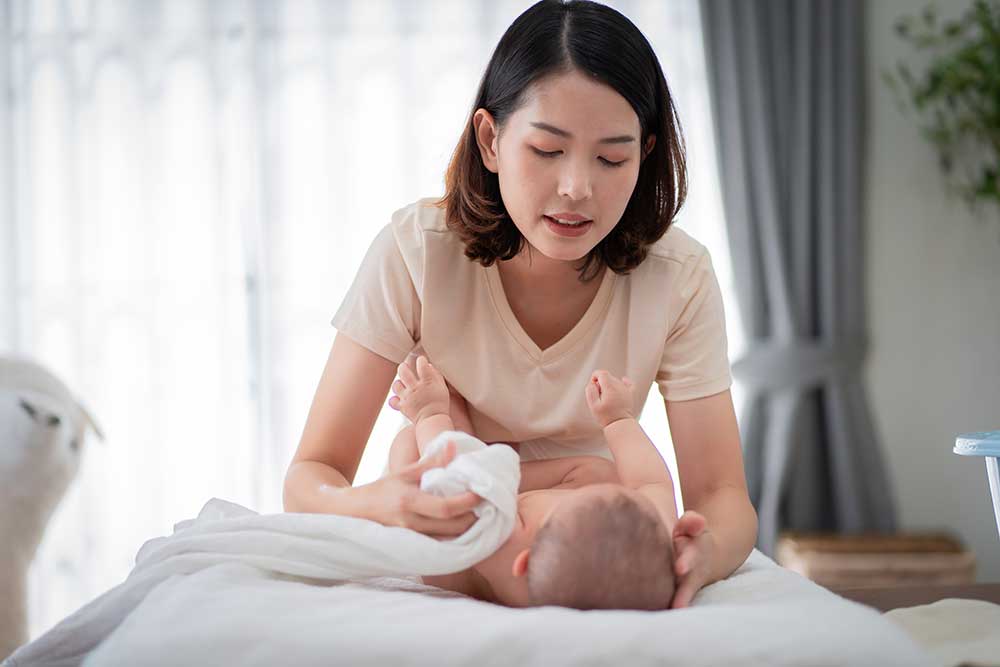

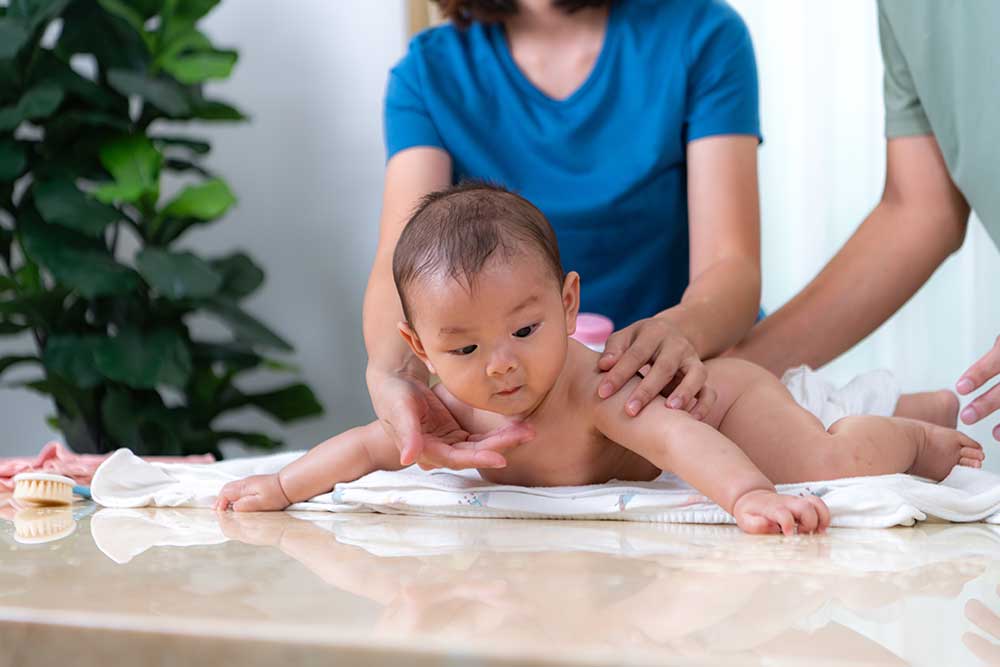
Most parents skip this step entirely—and their babies pay the price. Asking permission before infant massage isn’t polite small talk; it’s the foundation of genuine trust between you and your child. When you pause to honour your baby’s consent, something shifts. You’re not just touching skin; you’re communicating respect in a language infants understand deeply. Discover what happens when you read the subtle cues your baby is already sending you.
How to Start Asking for Permission With Your Baby
When you commence the beautiful expedition of infant massage with your baby, it’s essential to start by asking for permission. This simple act lays the groundwork for trust and safety. Remember, it’s about respecting their tiny limits. Think of it as planting seeds of autonomy.
Asking for permission before infant massage fosters trust, respect, and seeds of autonomy in your precious bond.
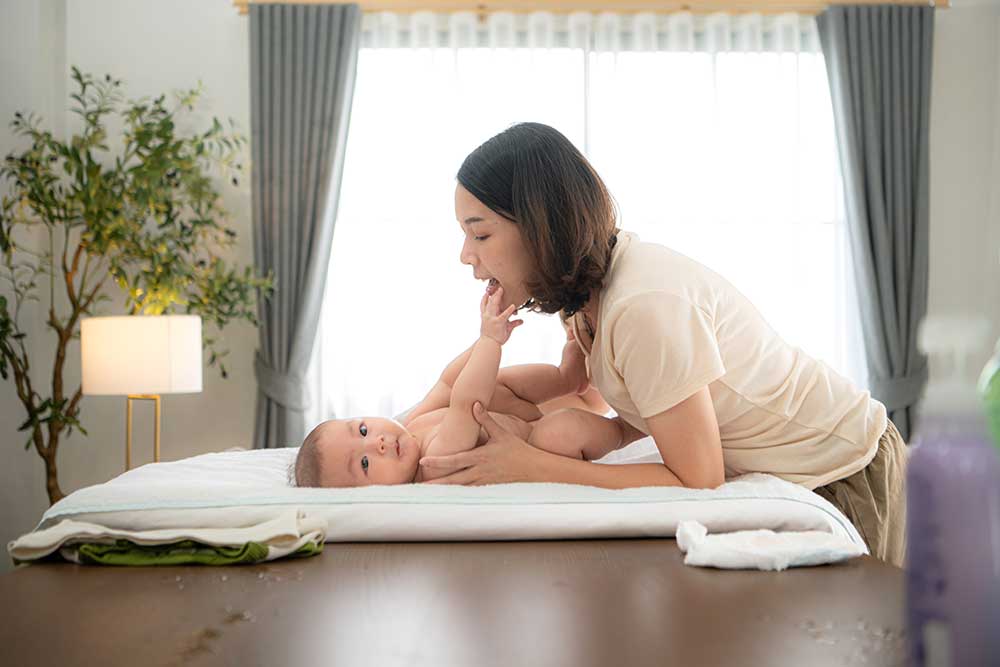
Before plunging in, share your intentions. Greet your infant with warmth—your voice, a smile, a gentle touch—signalling love and connection. Use simple words to explain what you’ll do. Asking for permission reinforces the importance of establishing a foundation of safety and trust with your baby. This practice builds secure attachment between you and your child, fostering a deeper connection.
Observe their responses closely. Are they calm? No signs of distress? This ongoing dialogue fosters mutual respect and comfort. 💖
In this sacred voyage of touch, let your baby’s cues guide you, nurturing a bond that speaks volumes beyond words. After all, love thrives in consent.
Establishing a Permission Sequence for Massage
How can we truly connect with our little ones through the art of touch? Establishing a permission sequence for massage is a sacred expedition nurtured by respect and love.
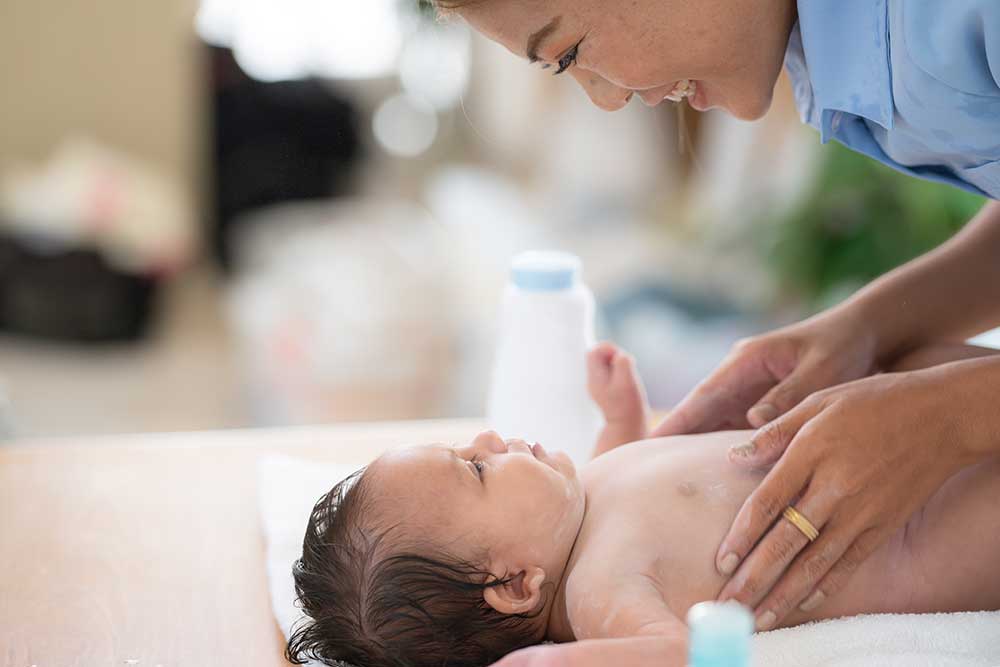
You create a magical moment when you rub oil between your palms, making that gentle swishing sound. Show your open, oiled hands to your baby, inviting them into this shared experience.
Verbalise your intention with a kind “massage,” while maintaining eye contact, allowing them to feel valued. Pause, and watch for their response. A smile or a gentle reach signals readiness, while avoidance may indicate they need more time. Recognising their body language signals is crucial in this process.
Each action affirms their voice, promoting secure attachment and communication. Remember, every tiny interaction builds a foundation of trust and supports the emotional development that infant massage fosters.
Welcome the moment.
How to Identify Signs of Discomfort in Your Baby During Massage?
Establishing a loving connection through touch requires your attentive presence; yet, it’s equally important to recognise when your baby feels discomfort during a massage. Knowing the signs can deepen your bond. Look for these cues:
| Sign | Description | Action |
|---|---|---|
| Facial Expressions | Frowning or grimacing | Pause and reassess |
| Vocalisations | Crying or fussing | Stop the massage |
| Body Movements | Pulling away or arching back | Change your approach |
| Physical Posture | Tense or rigid body language | Keep it gentle |
Additionally, be aware that emotional disconnect may hinder your baby’s enjoyment and acceptance of massage, so maintaining a calm and responsive demeanour is key. Responsive caregiving during infant massage fosters secure attachment between you and your baby, creating a foundation of trust and comfort that enhances the benefits of nurturing touch.
How Consent in Touch Builds Trust and Safety
Think of it as a bridge: each nod and smile builds trust, while each whimper signals a pause. By respecting your baby’s cues, you create a space where your little one feels valued and heard. This practice of baby-led communication allows you to learn your infant’s unique language and respond with attunement. This practice leads to stronger attachments and greater joy in your relationship, which can also contribute to reducing postnatal depression symptoms for the caregiver.
Developmental Benefits of Infant Massage With Consent
When you massage your baby with their consent, you’re not just providing comfort; you’re nurturing a deep connection that promotes their emotional and physical development.
Through this shared experience, you can witness their growth in extraordinary ways. You might find joy in knowing that:
- They’ve increased body weight and length.
- Motor skills, both fine and gross, improve.
- Sleep becomes deeper and more restful.
- Digestive issues reduce, leading to happier days.
- Cognitive abilities flourish, encouraging social interaction. Additionally, engaging in massage therapy has been linked to increased weight gain, enhancing overall health outcomes for your infant.
Learning from a Certified Infant Massage Instructor ensures you’re using proper techniques that respect your baby’s cues and boundaries while maximising these developmental benefits.