
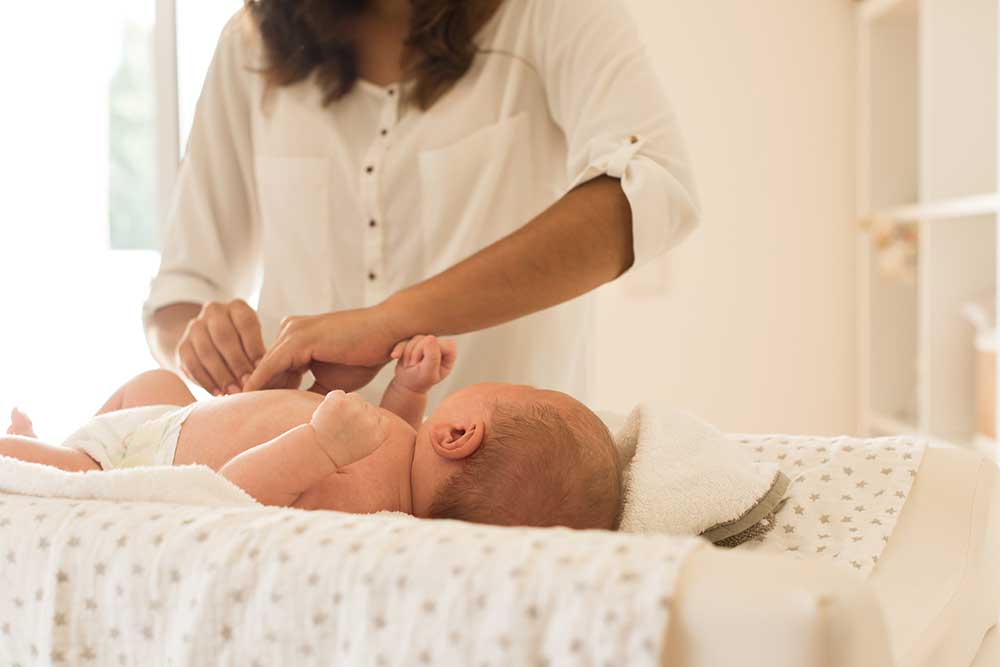
Words fall short where touch speaks volumes. Psychologists reveal that a simple hand-hold rewires your child’s brain in ways conversation cannot match—yet most parents remain unaware of this neurological gift. Discover how gentle contact builds emotional resilience, accelerates language acquisition, and forges bonds that withstand life’s challenges. This isn’t coddling; it’s neuroscience.
How Touch Enhances Word Segmentation in Infants
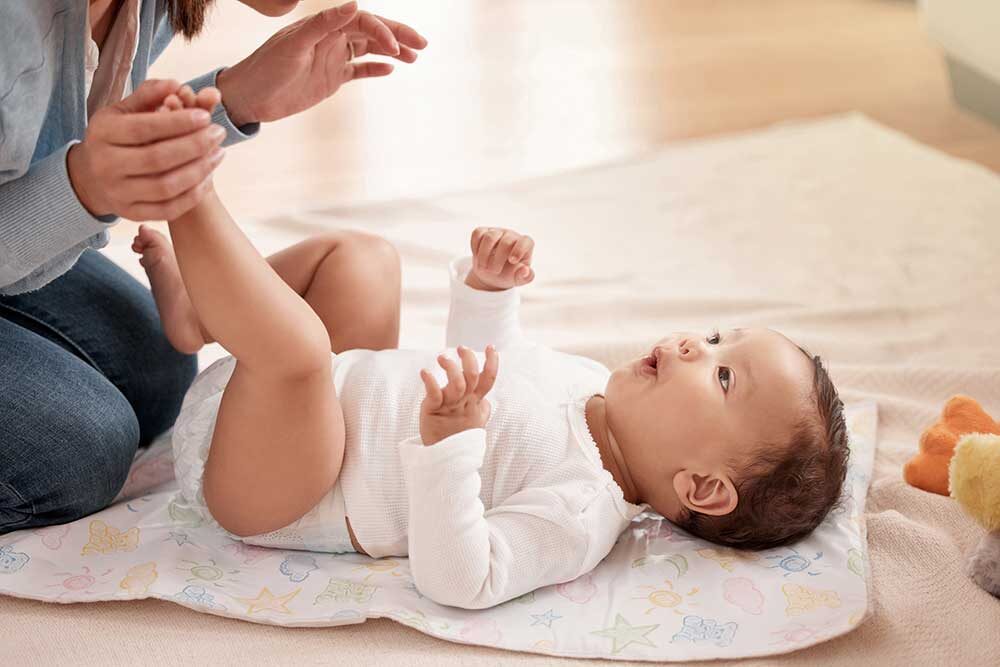
As you cuddle with your infant, have you ever wondered how the gentle touch of your hands improves their learning? Touch is more than a physical connection; it’s a bridge to comprehension of language! When you align your touches with your words, you help your little one identify sounds and meanings.
Imagine how your caress during a story not merely comforts but also teaches.
- Your baby learns word limits through the tactile signals you provide.
- Engaging in this nurturing interaction promotes love and trust. Research has shown that caregiver interactions are crucial for word acquisition in infants.
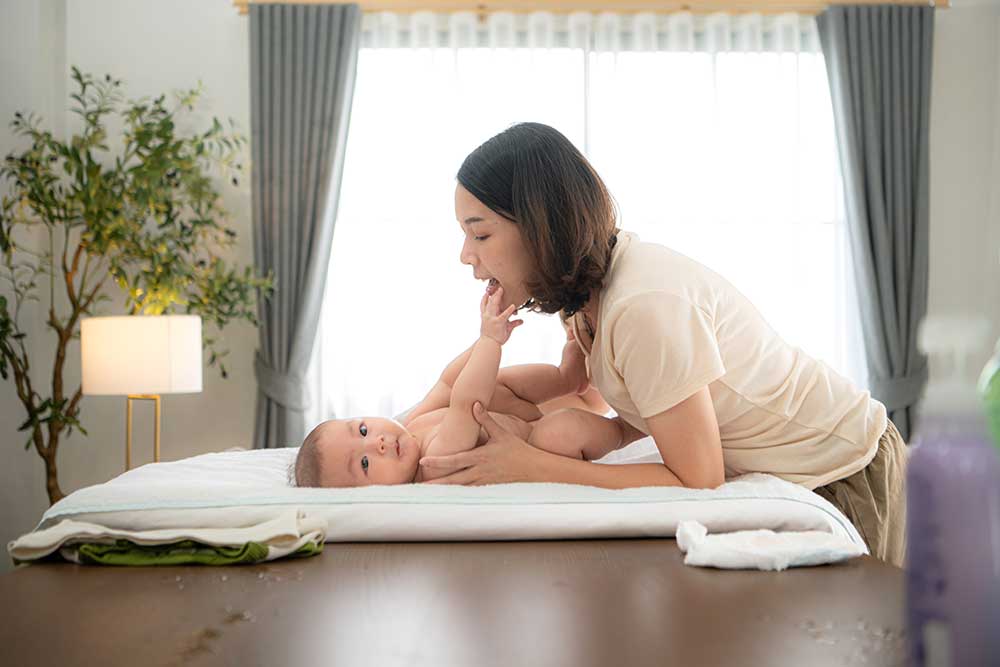
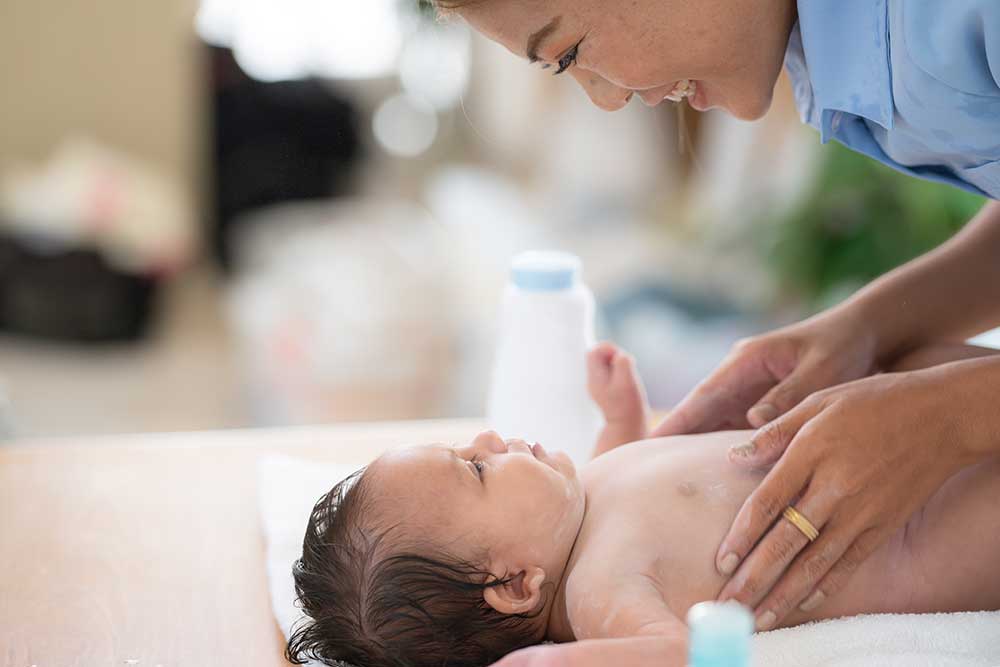
Through infant massage, you stimulate your baby’s circulatory and immune systems, which supports the neurological development necessary for language processing. As the Bible says, “Let the children come to me” (Matthew 19:14).
Every gentle stroke serves as a hymn of connection, guiding your child’s learning experience while deepening your bond. Your touch is truly life-changing!
Why Touch Matters for Learning Language?
Touch isn’t just about connection; it’s a powerful tool for learning language.
Touch enhances your child’s word segmentation abilities and supports multisensory word learning, laying the groundwork for strong neural development. Physical interaction with objects strengthens neural connections in the brain, further promoting language acquisition during early childhood. Infant massage, as part of nurturing touch, provides consistent tactile stimulation that supports these critical developmental processes.
Tender moments of touch help children build a foundation for communication that lasts a lifetime.
Enhances word segmentation abilities
When caregivers engage in nurturing touch, they’re creating a rich fabric of communication that deeply impacts an infant’s ability to learn language.
Research shows that when you gently touch a baby while speaking, you’re helping them find word limits. Isn’t it remarkable? Just think—your loving touch can align perfectly with your words, making it easier for them to grasp language. This synchronous interaction not only amplifies attention but also improves their word segmentation abilities, highlighting the importance of temporal synchrony between touch and speech. Through secure attachment fostered by consistent nurturing touch, infants develop the emotional foundation necessary for optimal language learning. It’s a beautiful reminder that we play a crucial role in their development.
Supports Multisensory Word Learning
Language learning blossoms in a world rich with experience, where touch and interaction pave the way for deeper comprehension. When you engage the senses, you open the door to effective language acquisition.
Consider how touch improves your child’s word learning:
- Words linked with tactile experiences are learned sooner.
- Tactile cues, like tracing letters, strengthen word memory.
- Engaging with sandpaper letters combines touch and sight for better retention.
- Activities like shaping words with Play-Doh amplify recognition and spelling skills.
- Mastery of word recognition is crucial for developing literacy skills, ensuring that touch-based learning reinforces overall language development.
Through structured programmes like baby massage courses, caregivers establish foundational tactile communication that supports the development of language pathways in infants.
Isn’t it remarkable how sensory engagement turns words into tangible treasures?
Promotes Neural Language Development
Synchronous tactile cues improve word segmentation. When you touch your baby while speaking, you create a beautiful harmony that aids their language development. Isn’t it heartwarming to think that your gentle touch can bolster your child’s ability to recognise words even at just four months old? By aligning your touches with words during activities like reading, you strengthen their comprehension of language limits. This connection isn’t accidental; it’s a divine orchestration of love and communication. Infants associate touches with sounds they hear, further enhancing their language learning. A Certified Infant Massage Instructor can guide you in developing these synchronous tactile techniques with your baby.
Consider these nurturing practices:
- Soft touches while speaking
- Emphasising words during playtime
- Using rhythmic movements to engage
Through these actions, you invite your child into a world of language, love, and connection. Together, you pave the way for a rich linguistic expedition.
How Touch Strengthens Caregiver-Infant Communication
As you accept your role as a caregiver, don’t underestimate the significant power of touch in nurturing deeper communication with your infant. Touch is more than a physical connection; it speaks volumes about love and comprehension.
Through nurturing touch, you strengthen your bond and improve emotional connections. Consider these benefits:
- Close skin contact encourages your sensitivity and responsiveness to your baby’s needs.
- Touch boosts your ability to predict and respond to your infant’s cues, building reciprocity.
- Engaging in skin-to-skin contact supports secure attachment, essential for emotional growth. Touch serves as a co-regulatory agent that helps to regulate stress responses and facilitate engagement with the environment.
- Your gentle touch stimulates cognitive development, helping your child learn and communicate better. Participating in continuous education opportunities helps you deepen your understanding of how touch supports your infant’s development.
How Touch Changes With Infant Age?
As your little one grows, you might notice how the frequency of touch in your daily interactions changes.
At first, gentle caresses bring smiles. As they age, the tactile cues evolve into playful exploration and meaningful connections.
Adjusting to these shifting patterns allows touch to remain a cherished form of communication throughout their development. Classes designed for babies aged 0–12 months can provide structured guidance on adapting massage techniques as your child grows.
Touch frequency decreases over time
Neonates flourish with skin-to-skin contact, stimulating growth.
As your baby grows, the frequency of touching shifts, shaped by their developing independence and mobility. You may wonder, “How do these changes affect our bond?” Here’s what to keep in mind:
- Early Skin-to-Skin: Essential for stabilising heart rates and reducing stress.
- Synchronous Touch Enriches Bonds: At three months, coordinated touch sets the foundation for secure attachment.
- Mobility Reduces Opportunities: Crawling and walking lead to fewer chances for those intimate moments.
- Intentional Touch Becomes Key: As they gain independence, affectionate touch still plays an essential part.
Age-Related Tactile Cues
With each passing month, the way your baby experiences touch evolves, manifesting the extraordinary progression of growth and development.
From their earliest days, your little one hones their tactile skills, shifting from closed fists to open hand touches by three to five months. Have you noticed how they reach for their face with increasing precision? This is a beautiful expression of their developing self-awareness.
Gentle strokes don’t just soothe; they stimulate their growing brains, activating pathways essential for connection. Each affectionate touch nurtures trust, encouraging deep bonds.
As Mahatma Gandhi said, “Where there’s love, there’s life.” Welcome this expedition, nurture their growth, and let your hands communicate love and safety, creating a nurturing atmosphere that helps your baby thrive. 🌱💖
Changing Interaction Patterns
Touch changes deeply as your baby grows, revealing new dimensions of interaction that nurture precious connections. Each stage of development invites you to welcome the beauty of tactile language. Here’s how touch evolves:
- Newborn (0-1 Month): Craves skin-to-skin contact, reacting joyfully to gentle touches.
- 1-3 Months: Anticipates your movements, growing awareness of their body and increasing sensory exploration.
- 3-6 Months: Engages with both hands, enhancing coordination and tactile curiosity.
- 6-12 Months: Develops preferences and depth perception, seeking touch-rich interactions.
As you lovingly respond to these shifts, you deepen your bond, nurturing their spirit.
“We love because He first loved us.” (1 John 4:19) Your touch is a powerful reflection of love, guiding your child’s path into a world of connection. 🤲💖
Using Multisensory Experiences to Enhance Word Learning
Consider these meaningful activities:
- Tracing letters in shaving foam.
- Using tactile tiles for phoneme practice.
- Rainbow writing to visualise words.
These simple yet powerful techniques promote retention and build neural pathways.
By nurturing a multisensory approach, you help children accept language with joy and confidence. Touch activates the neurobiology of touch and strengthens the brain’s capacity for learning and connection.
Embracing a multisensory approach fosters joyful language acceptance and builds children’s confidence in their communication skills.
“Let the little children come to me,” reminds us of their innate potential.
Together, let’s nurture a love for words!
Experimental Evidence: Touch as a Language Tool
Touch can evoke feelings of safety and connection. It’s fascinating how touch serves as a universal language, even among strangers.
Think about these powerful revelations:
- Standardised touch expressions can convey emotions without words.
- Touch activates intuitive responses—receivers perceive cues without prior interaction.
- Experiments show that touch creates deep emotional connections, regardless of familiarity.
- Touch can be scientifically quantified, establishing it as a measurable communication tool.
Isn’t it heartwarming to realise that gestures of love can transcend verbal barriers?
In every gentle stroke, we communicate care and intention. As we accept this natural language, we foster compassion and awareness in our relationships.
Let’s nurture this gift of touch, spreading loving connections in our world. 🌍❤
Practical Ways to Use Touch in Early Language Learning
Incorporating touch into early language learning can change your interactions with your child, promoting both communication and connection.
Imagine the joy of watching your baby respond to gentle touches while you speak. This sacred bond can shape their comprehension of words.
Imagine the delight as your baby reacts to your loving touches, deepening their understanding of language and connection.
Here are some practical ways to enhance this experience:
- Use rhythmic touches while naming objects, like tapping their toes as you say “shoe.”
- Integrate touch during play; manipulating blocks while describing colours elevates vocabulary.
- Translate your child’s gestures into words, reinforcing their communication.
- Engage in daily caregiving rituals—like gentle massages during feeding—to pair touch with language.
As you welcome these tender moments, remember, “Touch is the baby’s first language.”
Let love guide your path. 💖