
Most parents assume sleep training and massage are opposing methods—but what if they’re actually meant to work together? While sleep training builds independence, massage deepens connection; while one teaches self-soothing, the other melts stress away. The real question isn’t which method wins, but how combining both creates something neither achieves alone. Discover why families who blend these approaches report deeper rest and stronger bonds than those choosing sides.
Effective Sleep Training Strategies for Your Family
When you begin the quest of sleep training your baby, it’s essential to encourage an environment that’s both loving and supportive. Your path can involve practical strategies, like creating a consistent bedtime routine.
Have you ever noticed how a simple ritual can weave serenity into chaos?
- Try placing your baby in bed drowsy but awake, allowing them to learn self-soothing.
- Remember, tender reassurance works wonders without picking them up.
- Reliability in sleep patterns nurtures trust and security. Possums Program emphasises understanding and acceptance of normal infant sleep patterns, which can further support your journey.
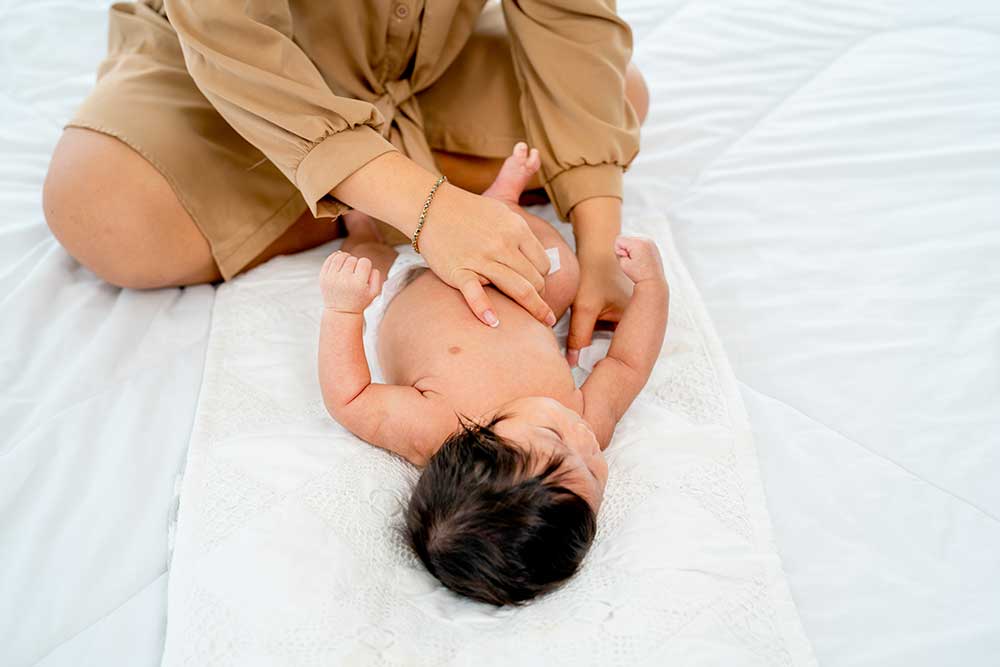
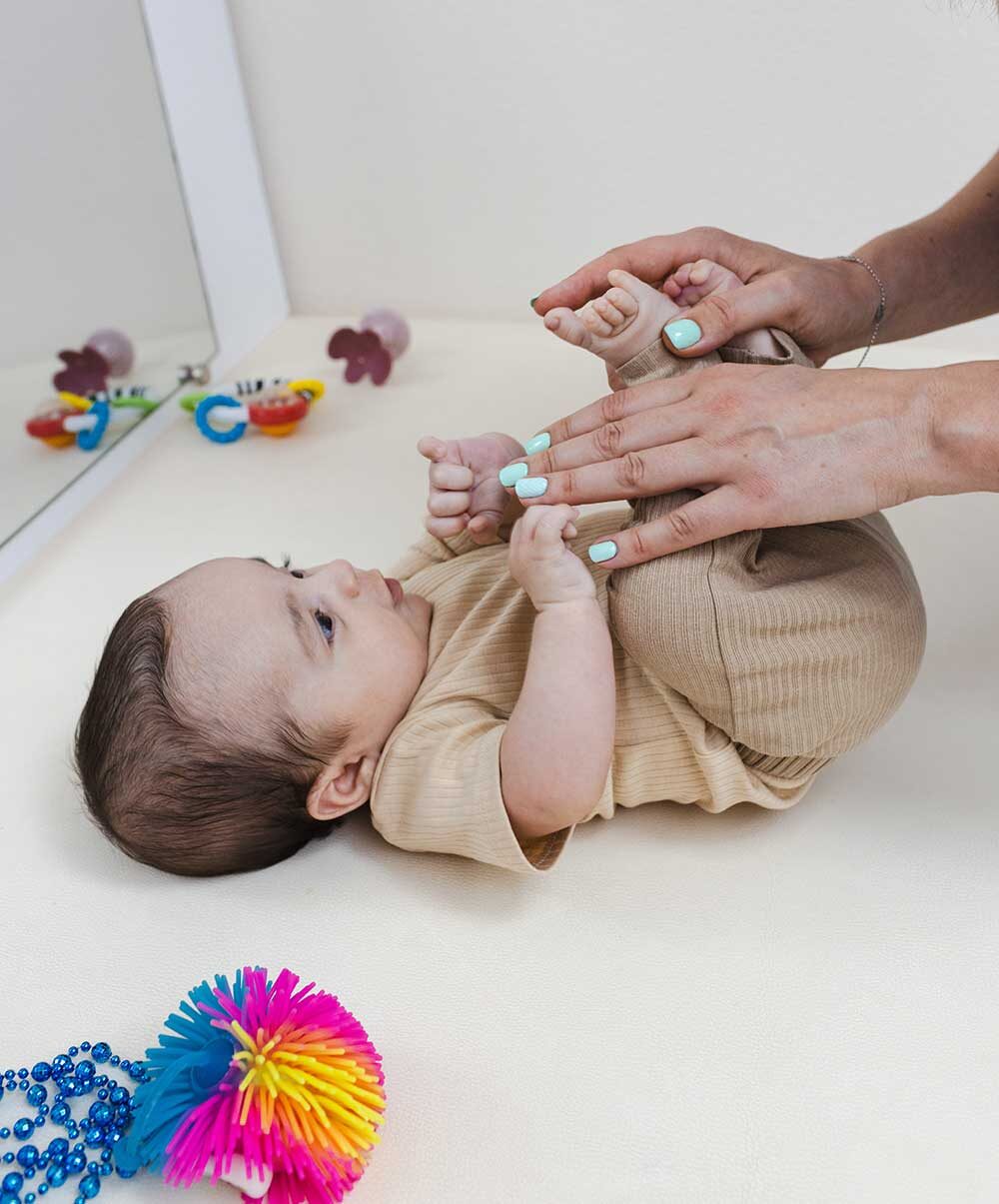
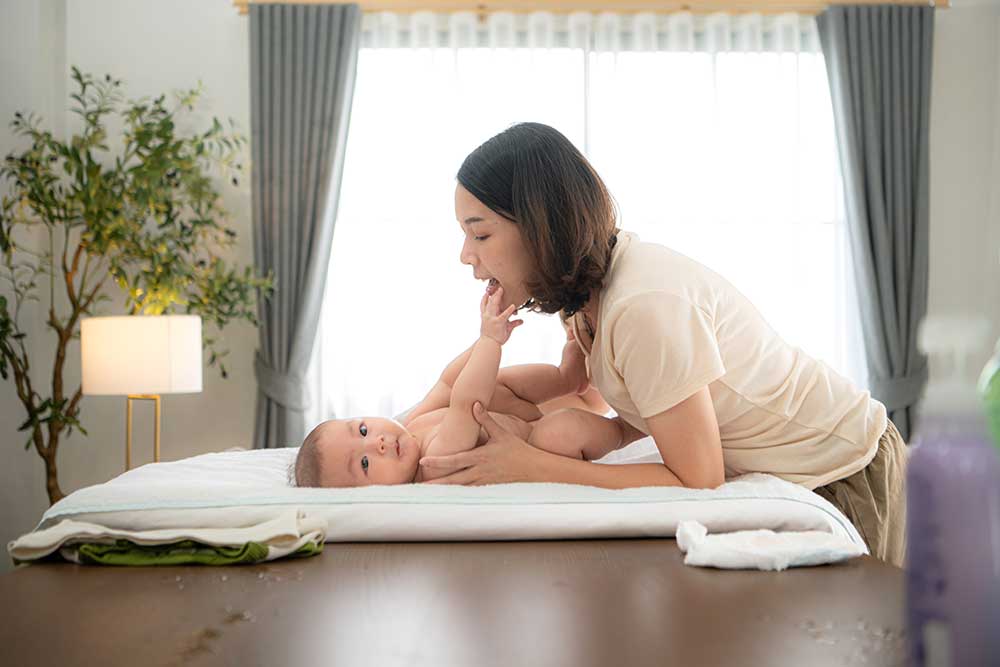
Infant massage techniques can complement your sleep training approach by promoting relaxation and fostering secure attachment between you and your baby. Reflect on this: When Jesus spoke of rest, He reminded us of the peace found in surrendering.
Welcome the love and wisdom that guides you; it’s not just about sleep—it’s about nurturing bonds that flourish with every gentle moment.
How Massage Therapy Enhances Sleep Quality
Creating a tranquil sleeping environment for your little one often means more than just solid sleep training practices. Have you considered how massage therapy can truly improve their sleep quality? Gentle touch is a powerful tool, nurturing both mind and body.
- Reduces cortisol, the stress hormone
- Promotes deeper, restorative sleep cycles
- Relieves muscle tension and discomfort
- Elevates love hormones, encouraging emotional connection
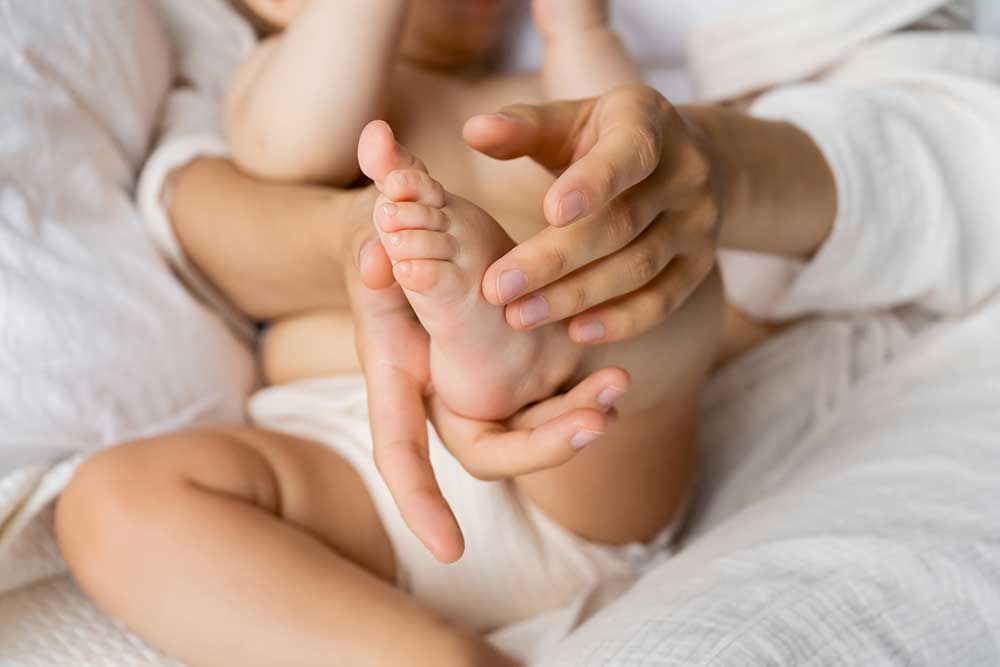
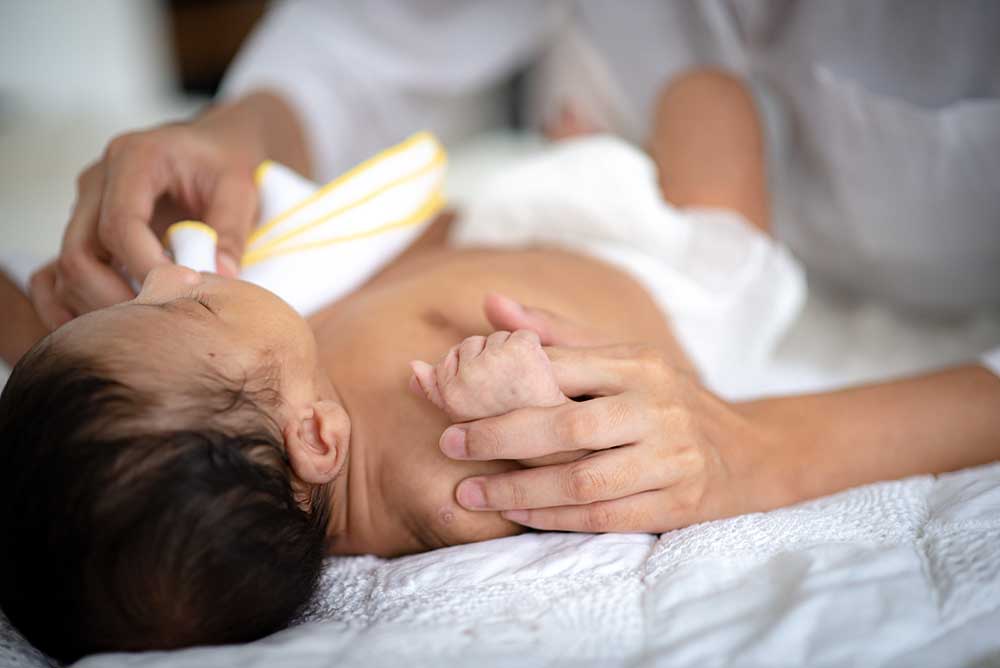
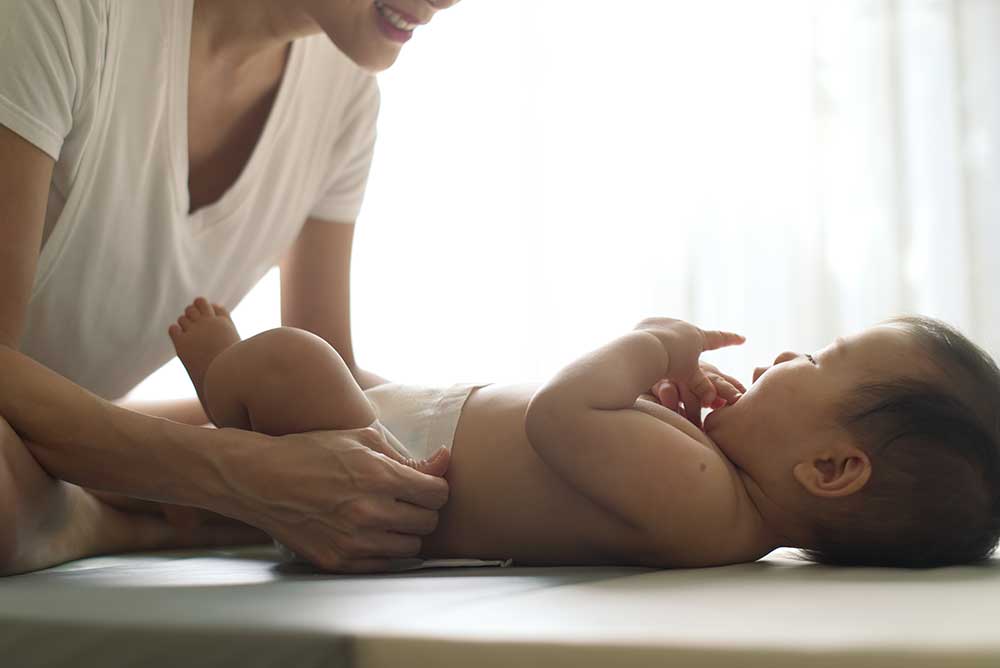
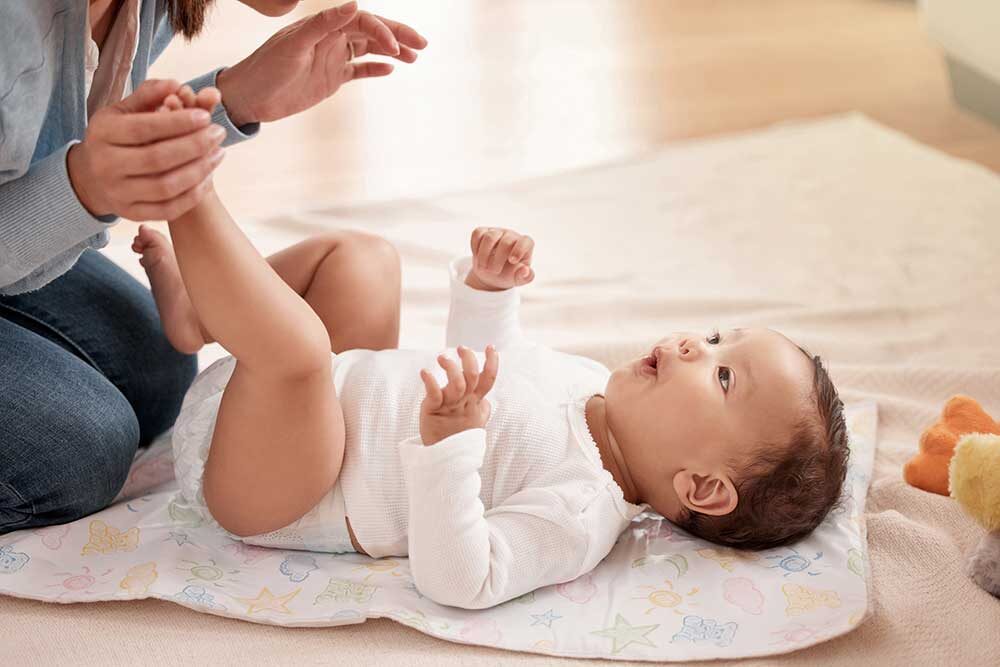
When you massage your child, you’re not merely helping them drift into slumber, but you’re also cultivating a loving bond. This gentle approach not only promotes relaxation, but it also boosts delta waves linked to deep, restorative sleep. Infant massage enhances parent-child bonding through the power of nurturing touch during these precious moments.
Imagine watching their tiny face relax, the weight of the day melting away. Isn’t it extraordinary how nurturing touch speaks a language of love? 🌙
Consider massage therapy as an integral part of your family’s restful voyage.
Which Works Better for Sleep: Training or Massage?
How can we discern which method—sleep training or massage—provides the most restful nights for our children?
Both paths offer unique benefits, yet research shows that massage often shines brighter in promoting sleep quality. The gentle caress of massage not only relaxes but also improves sleep efficiency and duration.
Consider these points:
- Massage improves bonding, encouraging a secure attachment between you and your little one. 💞
- It greatly decreases stress and promotes those “love hormones,” providing a soothing grace that sleep training alone might lack.
- A parent-led massage can even change your baby’s sleep patterns. Moreover, a study indicates that relaxation massage could enhance sleep efficiency for individuals with insomnia.
- Massage also regulates stress hormones, which is essential for promoting the restful sleep patterns that every parent seeks.
As you seek the best for your child, may you find comfort and joy in nurturing touch, which can lead to countless peaceful nights.
Benefits of Sleep Solutions by Age and Condition
As you steer through the adventure of parenthood, grasping sleep solutions customised to your child’s age and specific conditions can enlighten the way to restful nights.
Tailoring your approach encourages comfort and promotes healthy habits.
- For newborns, responsive settling can reduce fussiness considerably.
- From 4-12 months, studies show an extraordinary 56% reduction in sleep problems, illustrating that sleep training methods can significantly improve rest.
- During the toddler years, behavioural interventions can ease bedtime resistance and maintain better sleep quality.
- If facing sleep problems, sleep training helps up to 1 in 4 infants gain sounder rest.
With every approach, remember the words of Proverbs 3:5-6, “Trust in the Lord with all your heart.”
Each child is unique—embrace this experience with love and patience.
Practical Tips for Choosing Your Sleep Solutions
Choosing the right sleep solution for your child can feel overwhelming, especially when the stakes are so high for both you and your little one. When considering options, focus on what connects with your family’s unique interaction.
| Factor | Consideration |
|---|---|
| Age Group | Infants benefit from massage, older children from structured training. |
| Timing | Evening sessions improve sleep efficiency. |
| Type of Massage | Relaxation massage eases tension and promotes calm. |
| Family Dynamics | Strive to strengthen bonds through shared routines. |
Ultimately, trust your intuition. Ask yourself: What does your child respond to best? Whether it’s massage or sleep training, remember that nurturing touch can create an environment of love and respect, encouraging a peaceful night’s sleep for all. Baby massage courses teach parents to recognise baby’s cues and respond appropriately, creating consistent routines that signal bedtime to your infant. Furthermore, consider how quality sleep enhances mood and mental resilience, which can positively impact your child’s overall well-being.